Staying in Dublin, Republic of Ireland
In August 2025, an estimated 6.7 million nights were spent by overseas tourism visitors in Ireland. The Emerald Isle's capital city, Dublin, remains the largest in Ireland and the country’s economic centre. Tourism contributed approximately 20.4% to Ireland's GDP in 2024, with Dublin playing a central role in this success.
Dublin has firmly established itself as one of Europe's premier business travel destinations, fuelled by a vibrant tech sector and a highly attractive corporate environment. The city's Grand Canal Dock area, widely known as the "Silicon Docks", is home to the European headquarters of global giants including Google, Meta (formerly Facebook), and LinkedIn. Microsoft and PayPal also maintain significant Dublin operations, though outside the Docks in the city's suburbs. It's little wonder Dublin features among the most in-demand cities for business travellers worldwide.
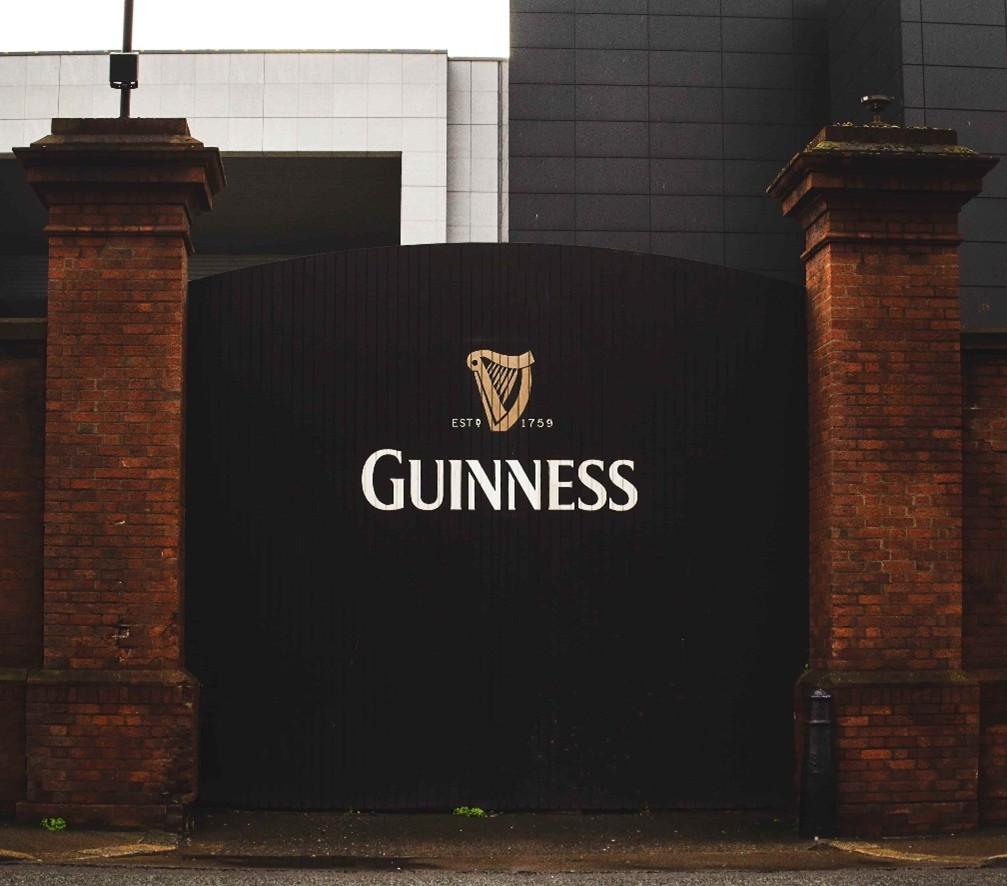
Dublin is renowned as a rich historical metropolis being the home of Guinness and the stomping ground of literary greats like Oscar Wilde. If you have a business trip or relocation agreement planned in the city, here’s what you need to know before packing your suitcase.

Visiting Dublin, Ireland – Key Information
Weather in Dublin

Dublin's weather is best described as cool, humid, and unpredictable year-round, with mild to warm summers averaging around 16°C and cool winters average at 5°C. Temperatures rarely climb above 20°C even in the height of summer, so packing layers and a waterproof jacket is always a wise move regardless of when you visit. Rainfall is a near-constant companion, with around 130 rainy days a year though, interestingly, Dublin is actually the driest part of Ireland! Sunshine can be hard to come by, but if you're hoping to catch some brighter days, spring is your best bet.
Currency in Dublin
Euro (EUR)
Dublin's official currency is the Euro (€), and it's worth familiarising yourself with denominations and current exchange rates before you travel. Both cash and card are widely accepted across the city, Visa and Mastercard are standard, while American Express is accepted in larger establishments but less common in smaller ones. Contactless payments are also broadly supported, and ATMs are easy to find citywide. Bear in mind that while ATMs themselves generally offer fair exchange rates, your home bank may apply foreign transaction fees and if prompted, always opt to pay in euros rather than your home currency to avoid unfavourable dynamic currency conversion charges. As for tipping, it's appreciated but not obligatory; should you wish to leave one, 10–15% is the norm in restaurants, while tipping in pubs and cafés is more informal and entirely at your discretion.
Health & Well-being in Dublin

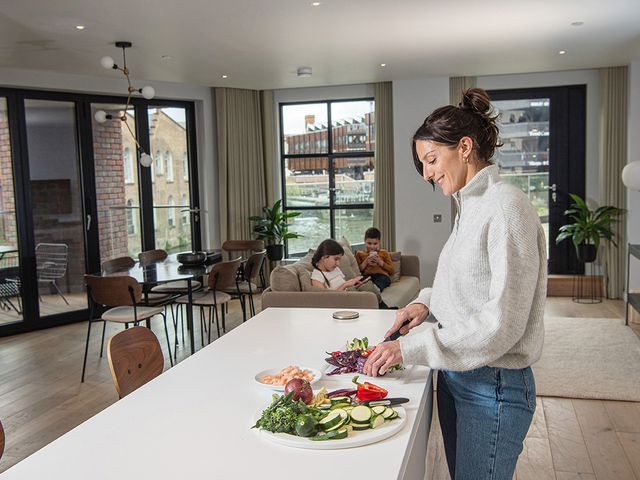
Dublin is a surprisingly easy city to stay active in. Despite the mild and wet climate, there are plenty of ways to keep up your fitness routine whether you're here for a quick business trip or a longer stay. Serviced apartments in Dublin are great due to many having on-site fitness facilities such as gyms and pools, making it easy to maintain a healthy routine without having to venture far.
Dublin's green spaces and waterways offer plenty of options for staying active. Run or walk along the River Liffey, the Grand and Royal Canal towpaths, or head to the Great South Wall for a striking coastal stretch. Phoenix Park, one of Europe's largest enclosed urban parks at over 700 hectares, is ideal for everything from a morning jog to a full afternoon of sport. In the city centre, St. Stephen's Green (a Green Flag award winner in 2025) provides over 3.5km of pathways perfect for a lunchtime run, while nearby Iveagh Gardens has an outdoor gym for bodyweight training.
Data in Dublin

Staying connected in Dublin is easy and affordable. The main providers are Vodafone, Three, Eir, and Tesco Mobile, with SIM cards available at the airport, carrier stores, supermarkets, and convenience stores citywide. Buying at the airport tends to mean fewer options and higher prices, so picking one up in the city is better value. Expect to pay around €20–€30 for a prepaid plan with a generous data allowance. If you plan to use WhatsApp or similar apps to stay in touch, a data-only SIM is a cost-effective choice.
It's also worth checking whether your device supports eSIM, most modern smartphones do, and it allows you to keep your home number active while using local data, with no physical SIM swapping needed. Either way, make sure your phone is unlocked before you travel.
Free Wi-Fi is widely available across cafés and shops, but public networks are not always secure or reliable, for business use in particular, a local SIM is the safer option.
Plug Type: Type G
Cuisine in Dublin
Dublin's food scene is a satisfying mix of traditional comfort food and modern dining. Traditional Irish cooking is hearty and filling. Irish stew (slow-cooked lamb or beef with root vegetables), coddle (a Dublin staple of sausages, bacon and potatoes simmered together), and colcannon (mashed potato with cabbage or kale) are some of Ireland’s most iconic dishes. Soda bread and barmbrack, a spiced fruit bread, are baked goods you'll find in bakeries and on breakfast tables across the city.
Being a coastal city, Dublin also has a strong seafood tradition. Fresh oysters, mussels, smoked salmon and Dublin Bay prawns are menu staples, particularly in the city's many gastropubs and fish restaurants.
No visit to Dublin is complete without sampling its most famous exports. Guinness, brewed just a short walk from the city centre at the Guinness Storehouse, is practically a rite of passage and best enjoyed in a traditional pub. Round off your evening with an Irish coffee, a warming combination of strong coffee, Irish whiskey and fresh cream.
Language in Dublin

Irish Gaelic is one of the traditional Celtic languages spoken in Ireland, however English is the second national language and is spoken by the majority of the population. Road signs and some menus will feature both languages, but English is commonly spoken here.
Some key phrases include:
Grand: is iconic Irish slang meaning OK.
Craic: a good time, a laugh.
Up to 90: busy, on the go.
The jacks: toilets – don’t be surprised to hear somebody asking where the jacks are in the office.
Slainte: “to health”, used for cheers
Transport in Dublin

Dublin's public transport network is efficient and easy to navigate, covering buses, the Luas tram network, and rail services across the city and beyond.
The Leap Card is your best travel companion, a reloadable smart card accepted across all public transport in Dublin, including Dublin Bus, Luas, DART, and commuter rail. Fares within Zone 1 are €2.00 for adults and €1.00 for young adults aged 19–25 and students with a Leap Card, and using the card is consistently cheaper than buying a cash ticket. Simply tap on when you board and tap off when you arrive. These can be purchased on arrival, from Dublin airport, or from newsagents such as Spar and Mace.
The Luas tram network runs two lines through the city, the Red Line and the Green Line, connecting key areas from the suburbs to the city centre. Dublin Bus is the most widely used day-to-day option, with routes covering the whole city, while a number of commercial coach services including Swords Express, Wexford Bus, and Matthews, also accept the Leap Card for routes further afield. The DART and four commuter rail lines (Northern, South Eastern, South Western, and Western) are ideal for travelling beyond the city centre.
Taxis are readily available throughout Dublin, and cycling is increasingly popular, with dedicated bike lanes across much of the city.
For planning your journeys, Citymapper is the go-to app offering real-time updates on buses, trams and trains, journey planning, and live travel alerts all in one place.
Dublin Map
Emergency Contact Numbers in Dublin
|
Emergency (Police, Fire, Ambulance) |
999 or 112 |
|
Garda Confidential (anonymous tip line) |
1800 666 111 |
|
Tourist SOS (visitor crime support) |
+353 (0)1 661 0562 |
|
Samaritans (24/7 mental health support) |
116 123 |
Culture in Dublin
The good news for those visiting or relocating to Dublin is that the city’s residents are consistently ranked among one of the friendliest in the world. A good sense of humour is a must, as Dubliners are renowned for their love of ‘craic’ (having a good time). As such, you can always expect a warm welcome in any of the city’s numerous bars and pubs, where live music, a festive atmosphere, and endless pints of the good stuff are guaranteed.
What to see in Dublin
There are plenty of attractions to enjoy during your business trip to Dublin. The city is synonymous with Guinness, and a trip to the Guinness Storehouse is a must, boasting seven floors of brewing history, the tour ends with a pint overlooking the Dublin skyline. Just as iconic is Trinity College, home to the Book of Kells, a 9th-century illuminated manuscript, and the magnificent Long Room library. For history lovers, the medieval Dublin Castle, and St. Patrick's Cathedral, Ireland's largest church dating back to 1191, are all well worth a visit.
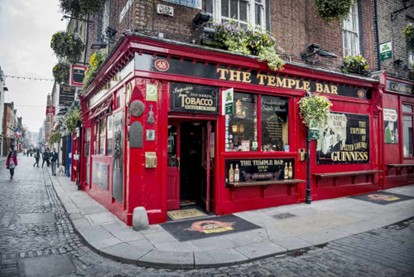
Beyond the landmarks, Dublin rewards those who simply explore on foot. Stroll across the Ha'penny Bridge, walk the length of Grafton Street down to St. Stephen's Green, or head to the modern waterfront of Grand Canal Square in the heart of the Silicon Docks. Phoenix Park, one of Europe's largest urban parks, is perfect for an afternoon escape, and Dublin Zoo within the park is a great option if travelling with family. A visit to Temple Bar for a pub crawl rounds off the classic Dublin experience, while the 120-metre Spire on O'Connell Street and the brutalist Berkeley Library (1967) are reminders that the city's architectural story doesn't begin and end with Georgian terraces.
Whether you're visiting Dublin for a short-term project or making a permanent move, SilverDoor is here to make your stay as seamless as possible. Browse our selection of Dublin serviced apartments to find the right fit for your trip, explore our top apartments for business travellers for handpicked recommendations, or head to our Dublin relocation guide for practical advice on settling into life in the city. If you have any questions or would like help finding the perfect property, our team is on hand, get in touch and we'll take care of the rest.