Few European capitals punch above their weight quite like Dublin. The capital and largest city of Ireland sits at the head of Dublin Bay on the Irish Sea, serving as the country's chief port, its commercial and financial centre, and its cultural heartland all at once.
Dublin pairs a rich literary and musical heritage with a forward-looking economy that has made it one of the continent's most sought-after destinations for global talent. Home to the European headquarters of some of the world's most recognisable companies, including Google, Meta, and LinkedIn, it has firmly established itself as a powerhouse for technology, finance, and professional services. From the cobblestone streets of Temple Bar and the green of Phoenix Park, to the buzz of Grafton Street and the calm of the Grand Canal, there is a warmth and energy to daily life here that is difficult to find elsewhere.
Whether you are relocating to Dublin for a short-term assignment or embarking on a longer chapter abroad, moving to a new city always comes with its share of questions. From understanding visa requirements and choosing the right neighbourhood to settling in with family or finding a pet-friendly home, this guide covers everything you need to make your move to Dublin as smooth and stress-free as possible.
Dublin Relocation Tips
Click to view each section
- How to Make Temporary Relocating to Dublin Easier
- Relocating to Dublin with Family
- Relocating to Dublin with Pets
- Relocating to Dublin as a Solo Traveller
- Preparing for Your Move to Dublin
- Top Dublin Destinations to Relocate To
- Dublin Relocation FAQs
How to Make Temporary Relocating to Dublin Easier
Temporary relocations bring a distinct set of challenges and getting them right requires more than just finding somewhere to stay. At SilverDoor, we've spent over 25 years building expertise in corporate accommodation, and we now bring together truly global reach with genuine on-the-ground knowledge across key markets worldwide.
Whether you're in Dublin for a short-term project, a mid-length assignment, or the beginning of something longer, our network spans over 130 countries so wherever work takes you next, the same standard of service and support follows. For assignees and business travellers, that continuity matters.
In Dublin specifically, our team understands the city's distinct neighbourhoods, the nuances of the local market, and what different types of assignees actually need when they arrive. From helping a solo professional find a well-connected base near the Docklands to sourcing a family-sized apartment in Sandyford or Portobello, we match accommodation to the person not just the brief. Guidance on visas, schooling, and settling in comes as standard, backed by 24-hour support throughout your stay.
No two relocations are the same, and we don't treat them as if they are. Our Account Management team takes the time to understand your situation, your priorities, and your timeline, so that when you arrive in Dublin, the hard work is already done.
Hear from the experts...
"Relocating to Dublin is an exciting step, and SilverDoor is here to make that transition feel smooth and welcoming. Our fully furnished apartments are located in some of Dublin’s most sought‑after neighbourhoods. Many of our properties offer modern amenities such as gyms, coworking lounges, and easy access to cafés, restaurants and transport links.
What truly sets your Dublin relocation apart is the support of our locally trained SilverDoor team based right in the city centre. They know Dublin inside and out and are ready to help you get familiar with your new surroundings, from navigating the Luas and DART to pointing out the best local markets, parks, and hidden gems. Whether you need an airport pickup, groceries on arrival, or a guided introduction to your neighbourhood, we’re here to make Ireland feel like home from day one."

Majbritt Madsen, Operations Support Specialist - EMEA
Relocating to Dublin with Family
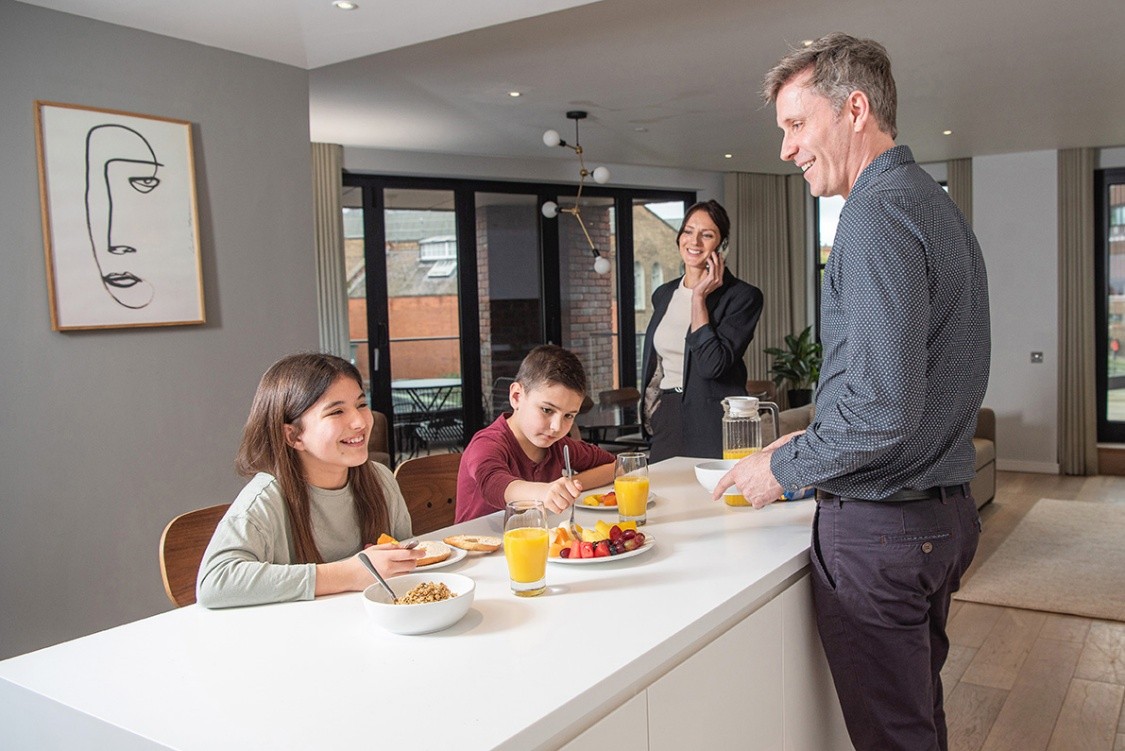
Moving to a new city with young children can feel overwhelming, but with the right approach, it can become an exciting family adventure.
Families moving abroad face numerous considerations, from navigating a different culture to establishing new routines. For many parents, the primary concern centres on their children's wellbeing, finding the right school and ensuring a smooth transition. It's worth remembering that children often adapt more quickly than adults expect. While the first few months may present challenges, young minds are remarkably resilient and capable of embracing new experiences and cultural differences.
To ease the transition:
- Maintain familiar routines for mealtimes and bedtimes
- Encourage children to engage with classmates from day one
- Stay patient and avoid transferring your own anxieties about the move
- Plan for the school run: International schools in Dublin are not always located in the same neighbourhoods as corporate housing, so it's worth factoring in commute times when choosing where to live. Longer journeys to school are common for expat families and, while it can take some adjustment, many families find it simply becomes part of the daily rhythm.
Relocation can be equally challenging for partners, particularly when it comes to securing employment in a new country. The job search often takes time, even after arrival. Many employers now recognise that family happiness impacts employee satisfaction and offer partner support through career guidance or networking opportunities.
Dublin has a number of expat associations and international communities that organise social events and professional networking, excellent resources for building connections quickly. The International Women's Club of Dublin, for example, helps members develop a strong network and broaden their understanding of their new home.
For families with children, the New Communities Partnership (NCP) is an invaluable resource. As Ireland's largest community-led network, it provides support for families and young people, helping children reach their full potential in schools and ensuring newcomers feel connected and supported from the outset.
Relocating to Dublin with Pets
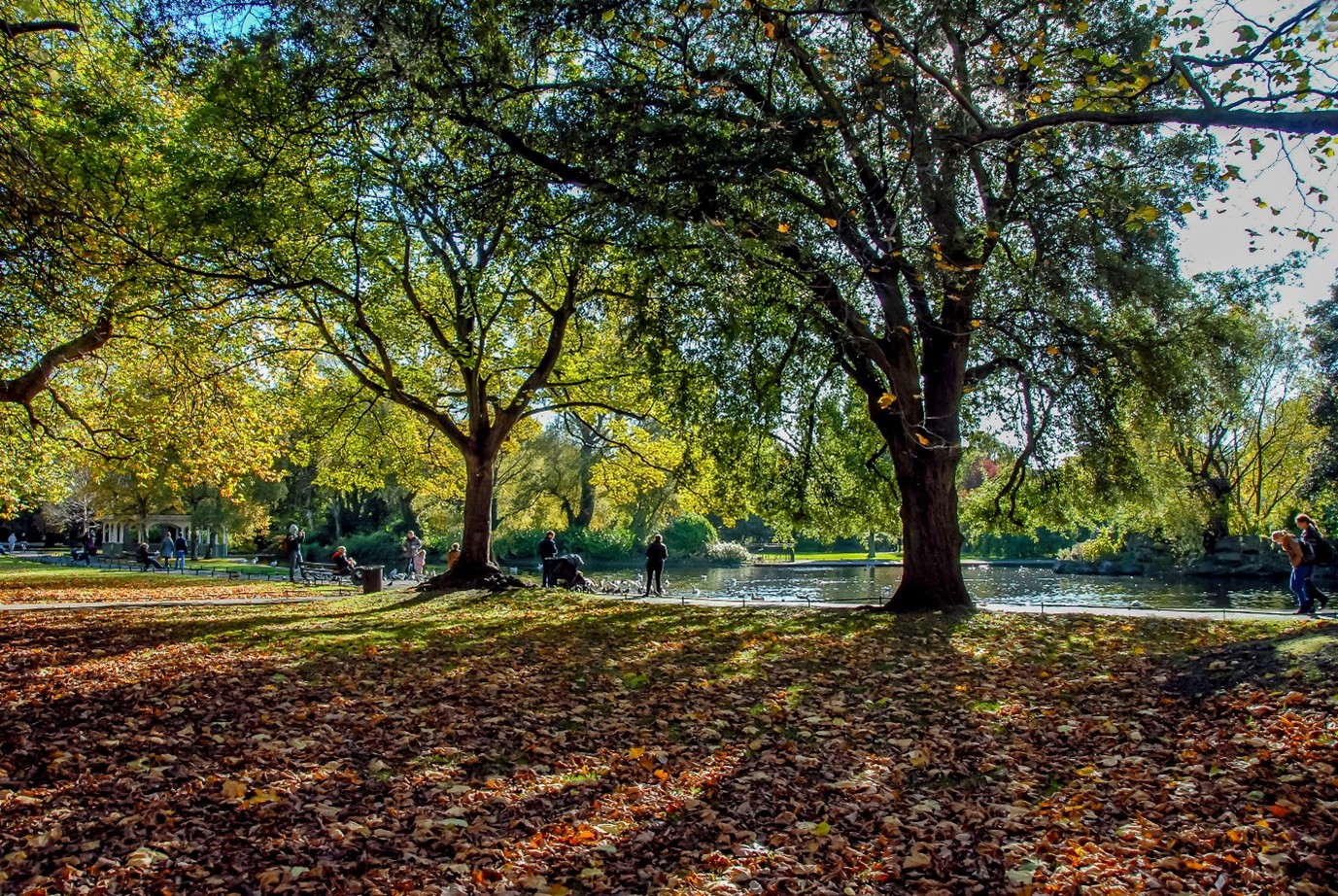
Relocating with a pet brings its own set of considerations, and at SilverDoor we make sure your four-legged family members are just as well catered for as you are. Our pet-friendly serviced apartments across Dublin are selected with animal owners in mind, with many properties offering easy access to parks, green spaces, and dedicated walking routes.
Areas such as Portobello, Sandyford and Stephen’s Green are good choices for pet owners, thanks to their proximity to open spaces and a strong local culture of pet-friendly businesses. Across Dublin's neighbourhoods you'll find a wealth of pet-friendly cafés, restaurants, and bars, as well as some of the city's finest green spaces, including St Stephen's Green, Phoenix Park which welcomes leashed dogs on its paved trails, and Merrion Square one of the largest enclosed urban parks in Dublin, offering ideal paths for morning/evening walks and weekend adventures.
When it comes to getting your pet to Ireland, the process varies depending on where you're travelling from. For those arriving from other EU countries, travel is relatively straightforward, dogs, cats, and ferrets can move freely within the EU, provided they hold a valid EU Pet Passport. To obtain one, your pet will need to be microchipped and vaccinated against rabies, with the vaccination administered at least 21 days before travel.
Bringing a pet from outside the EU is entirely possible too, though it does require a little more planning ahead. The Irish government's dedicated Pet Travel website provides a full breakdown of the requirements based on your country of origin. Once the logistics are in place, browse our range of pet-friendly serviced apartments in Dublin to find the perfect home for you and your companion.
Relocating to Dublin as a Solo Traveller
For solo assignees or business travellers, relocating to Dublin presents an exciting opportunity to explore, network, and settle into city life. With its compact city centre, excellent public transportation, and renowned friendly atmosphere, Dublin is ideal for individuals relocating for work or personal growth.
SilverDoor's serviced apartments in neighbourhoods like the Docklands, Portobello, and the city centre provide a convenient and comfortable base. Each location offers easy access to public transport, coworking spaces, gyms, and restaurants, while also delivering the comfort and privacy of a fully equipped home.
From the moment you arrive, the SilverDoor team is on hand to make the experience as straightforward as possible. Whether you're in Dublin for a few weeks or several months, our personalised support and on-the-ground knowledge means you can put your energy into what matters, settling into your new role, getting to know the city, and building a life here, while we take care of the rest.
Preparing for Your Move to Dublin
Getting the groundwork right before you leave makes a significant difference once you arrive. Here's a checklist to help you cover the essentials:
- Visas and immigration: Check your requirements well in advance (see below). EU, EEA, and Swiss citizens can move freely, while non-EU nationals will need to apply for an Irish visa through the Irish Naturalisation and Immigration Service (INIS).
- Utilities: Notify your current providers and cancel or pause your accounts. SilverDoor serviced apartments include all utilities, so there's nothing to set up on arrival.
- Mail: Set up a mail redirect or consider a virtual mailbox service to stay on top of important post during the transition.
- Healthcare: Request copies of your medical and dental records before you leave, particularly if relocating from outside Ireland. Ireland has both public and private healthcare options, so it's worth researching how to register with a GP on arrival. It is worth noting that GPs can have long waiting lists, so it is important to get signed up as soon as you arrive.
- Banking: Let your bank know about your move to avoid any restrictions on your cards. Opening an Irish bank account early is advisable, many providers allow you to begin the process online before you arrive.
- Subscriptions: Update or pause any delivery, entertainment, or other subscriptions to reflect your new location.
- Packing: Dublin's weather is mild but famously changeable, layers are essential. Expect cool temperatures, frequent rain, and the occasional bright spell year-round. A good waterproof jacket will quickly become your most-used item.
- Transportation: Dublin is a notably walkable city, its compact layout and central design mean that many day-to-day destinations are easily reached on foot. For longer journeys, the city is served by the Luas tram, DART rail, and Dublin Bus, which together cover most key areas. That said, it's worth noting that public transport can be limited in some parts of the city, and Dublin does not currently have a metro system. For most city-centre assignments, a car is not essential and given that parking can be both scarce and expensive, many residents find they don't need one, but depending on your location and lifestyle, it may be worth keeping your options open.
Visas and the Right to Live and Work in Dublin
For European residents, relocating to Dublin is a relatively straightforward process. UK citizens can continue to live and work in Ireland under the Common Travel Area arrangement, which was maintained after Brexit.
Citizens of the EU, EEA, and Switzerland can live and work in Ireland without a visa or employment permit. A valid passport or national identity card is all you need, and you can remain in Ireland for up to six months while seeking work with no restrictions.
If you plan to stay longer than three months for reasons other than job-seeking, you will need to register with Irish immigration authorities. Non-EU and non-EEA nationals are required to apply for an Irish visa prior to relocating. For full guidance on this process, visit the Irish Naturalisation and Immigration Service (INIS) website.
Top Dublin Neighbourhoods to Relocate To
Dublin Docklands
Dublin Docklands has transformed into one of Europe's premier business hubs, earning the nickname "Silicon Docks." The area is home to the European headquarters of global giants across tech, finance, and professional services including Google, Meta, LinkedIn, JPMorgan, Indeed, and Fiserv, employing tens of thousands of professionals. This concentration of multinational headquarters makes Dublin one of the most in-demand business travel destinations in Europe, attracting visitors across a wide range of industries.
This waterfront district is a polished, predominantly professional environment, quieter than other parts of the city when it comes to nightlife, with a more modest selection of restaurants and bars compared to livelier neighbourhoods like Portobello. Cultural venues such as the Bord Gáis Energy Theatre and The Marker Hotel, alongside landmarks like the Liffey Ferry and the Famine Ship Jeanie Johnston, give the area genuine character beyond the office buildings.
For many relocating professionals, the Docklands is simply the most practical base in the city, due to a preferred location. The Luas red line, DART stations at Grand Canal Dock, multiple Dublin Bus routes, and Dublin Bikes stations make it exceptionally well connected, and its walkable distance to the city centre means everything else Dublin has to offer is easily within reach.
Perfect for: Tech professionals and financial services workers who want to live close to their employer and value easy access to the city over a busy social scene.
City Centre
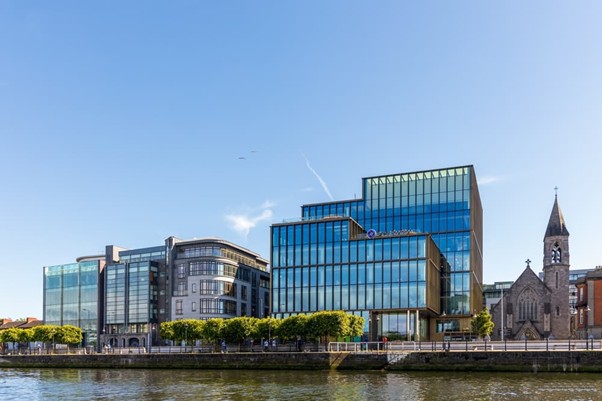
Dublin's city centre puts everything within reach, cultural attractions, retail, dining, nightlife, and business all converge in a walkable, well-connected core. For professionals on shorter assignments or those who prefer urban convenience above all else, the city centre offers unmatched accessibility.
One thing worth keeping in mind as you find your feet: like most cities, Dublin's prices tend to rise the closer you get to its most tourist-heavy areas. The bars around Temple Bar, the cafés nearest the main attractions, and the restaurants on the most well-trodden streets will often charge a premium that locals rarely pay. It doesn't take long to discover the spots where Dubliners actually eat and drink and once you do, you'll find the city far more affordable and far more authentic. Venturing just a few streets away from the main tourist trail can make a noticeable difference to your daily spend and often leads to better experiences too.
Perfect for: Short-term assignees, solo travellers, and anyone who wants to be at the centre of it all, with an awareness that the convenience of central living comes at a premium.
St Stephen's Green
St Stephen's Green sits at the heart of Dublin's established business district, surrounded by the offices of major financial institutions, professional services firms, and companies such as KPMG. A neighbourhood defined by its maturity and prestige, it blends sleek new commercial developments with the grandeur of historic Georgian squares, creating a polished, well-connected base that feels purposeful and refined.
At its centre sits the Green itself, a beautifully maintained Victorian park spanning over nine hectares, offering calm in the heart of the city. Tree-lined paths, ornamental gardens, and a peaceful lake make it a natural retreat for a lunchtime walk or an early morning run, providing a welcome balance to the surrounding business energy.
With Grafton Street on its doorstep and the Luas Green Line running directly through it, St Stephen's Green is an accessible location in Dublin, putting the best of the city within easy reach.
Perfect for: Finance, legal, and professional services workers who want to be at the centre of Dublin's corporate establishment, with a park on the doorstep.
Portobello
Situated in the south of the city centre, Portobello is one of Dublin's most sought-after places to live. The neighbourhood draws a younger, creative crowd, and its streets reflect that energy, with an impressive concentration of independent restaurants, cafés, bars, and shops that give it a distinct personality all of its own.
The picturesque Grand Canal runs through the area; residents make good use of the towpath for morning runs and leisurely evening walks. The surrounding Georgian and Victorian architecture add to the neighbourhood's appeal, lending it an elegance that feels residential rather than corporate.
Portobello is well served by bus routes and sits within easy walking distance of St Stephen's Green and Grafton Street, keeping the city centre firmly within reach. For those looking for a lively base with genuine neighbourhood character, it is hard to beat.
Perfect for: Young professionals and those who want a vibrant, sociable neighbourhood with great food and drink on the doorstep.
Montague
Tucked just south of St Stephen's Green, Montague has a distinctly youthful energy that sets it apart from its more established neighbours. Its lively streets are a magnet for students and young professionals finding their feet in the city, many of whom are on internships or early-career placements at the companies and institutions nearby. Casual eateries, independent coffee shops, and bars that buzz well into the evening line the streets, making it the kind of neighbourhood where the city feels alive and social from the moment you step outside.
For those on shorter-term assignments or just starting out, Montague offers an affordable and energetic base with excellent proximity to the city's main business and cultural hubs. It sits within easy reach of both St Stephen's Green and the wider city centre, making it as practical as it is enjoyable to live in.
Perfect for: Young professionals and those on short-term assignments who want to be in the thick of Dublin's social scene without straying far from the centre.
Sandyford
Located in South Dublin, Sandyford is one of Ireland's most significant business destinations and a major hub for multinational companies operating in the country. Despite its corporate credentials, Sandyford has a distinctly suburban feel, quieter and more spacious than the city centre, with good schools, green spaces, and a strong residential community making it particularly popular with families and senior executives. The Luas Green Line connects the area directly to the city centre, keeping Dublin's amenities well within reach without the noise and pace of inner-city living.
Perfect for: Families, executives, and professionals based in South Dublin's business parks who prefer a quieter, more residential setting.
Why Serviced Apartments and Corporate Housing are ideal for Relocation
When relocating to a new city, where you stay has a direct impact on how quickly you settle in. Unlike a hotel room, a serviced apartment gives you genuine living space, a fully equipped kitchen to cook your own meals, a separate area to unwind after work, and the kind of day-to-day comfort that makes an unfamiliar city start to feel like home far sooner.
For extended stays and project-based assignments, this distinction matters enormously. The flexibility to live at your own pace, without the constraints of hotel schedules or the costs that quickly accumulate with long hotel stays, makes serviced apartments the practical and financial choice for professionals and families alike.
SilverDoor brings over two decades of experience in corporate housing to every relocation. With one of the world's largest portfolios of serviced apartments and a dedicated team available around the clock, we go beyond simply finding you a place to stay. From negotiating the best rates and managing check-in logistics to providing on-the-ground support throughout your stay, we handle the detail, so you don't have to.
Our consistently high guest satisfaction reflects a simple belief: that the right accommodation, delivered with the right support, makes every relocation, however complex, a smoother, more positive experience.
Start your Dublin relocation journey with SilverDoor, contact us, browse our Dublin serviced apartments, and read our full Dublin travel guide.
Dublin Relocation FAQs
Why are serviced apartments the best option when relocating to Dublin?
Serviced apartments are an excellent choice, offering the comfort and privacy of a home environment. Additionally, our apartments feature fully equipped kitchen facilities, offering the convenience of home-cooked meals.
Serviced apartments offer, on average, 30% more space compared to standard hotel rooms. This additional space ensures you can work and relax without feeling constrained by the limits of traditional accommodation, all while maximising the value of your investment.
Corporate housing and serviced apartments offered by SilverDoor translate to significantly lower emissions per night compared to traditional hotels, with corporate stays emitting only 15kg of CO2 on average compared to hotels emitting 31kg of CO2.
Are serviced apartments suitable for relocating with pets?
Yes, Dublin is a pet-friendly city! SilverDoor features a large portfolio of pet-friendly serviced apartments designed to accommodate your furry companion. To ensure a smooth booking process, you must confirm your pet's stay before finalising your reservation.
Dublin offers exceptional outdoor areas for pets, with easy access to parks like Phoenix Park, St. Stephen's Green, and numerous green spaces throughout the city, making it an ideal location for daily walks and adventures. Visit the Irish government's pet travel website for detailed requirements.
Is the cost of utilities and bills included in the serviced apartment price?
Yes, the quoted rate for your serviced apartment is all-inclusive. This provides crucial convenience in Dublin, eliminating the need to set up local utility accounts or manage separate bills.
Your stay includes:
- High-speed Wi-Fi/Internet
- Electricity, Gas, and Water
- Local taxes
Note: Access to on-site laundry facilities may incur an extra charge at some properties; please confirm details when booking.
What appliances are included in a serviced apartment?
While each property may differ slightly, most serviced apartments include:
- Fully equipped kitchen with utensils
- Free internet access
- Laundry facilities (in-unit or on-site)
- Dishwasher
- Heating
- Housekeeping services
Are serviced apartments suitable for relocating to Dublin with children?
Serviced apartments are an excellent choice for families! The combination of extra space, separate bedrooms, and a fully equipped kitchen makes settling in much simpler than a cramped hotel. Dublin's excellent schools, family-friendly attractions, and safe neighbourhoods make it ideal for families.
What about public transportation in Dublin?
Dublin is a walkable city, but for longer journeys the main options are Dublin Bus, the Luas tram (Red and Green lines), and the DART coastal rail service. A Leap Card, a reloadable card accepted across all services, is well worth picking up on arrival for discounted fares, from Dublin Airport or newsagents such as Spar and Mace. It's worth noting that Dublin has no metro system and coverage can be limited in some areas, but most SilverDoor apartments are located close to transport links for easy commuting.
Why should I book through SilverDoor?
With extensive experience in corporate housing, SilverDoor ensures a smooth and stress-free relocation to Dublin. Our tools and expertise help you maximise your budget whilst providing safe, flexible, and fully equipped housing options. Our team is available 24/7 to support your move, answer any questions and assist throughout your stay. Contact us here.