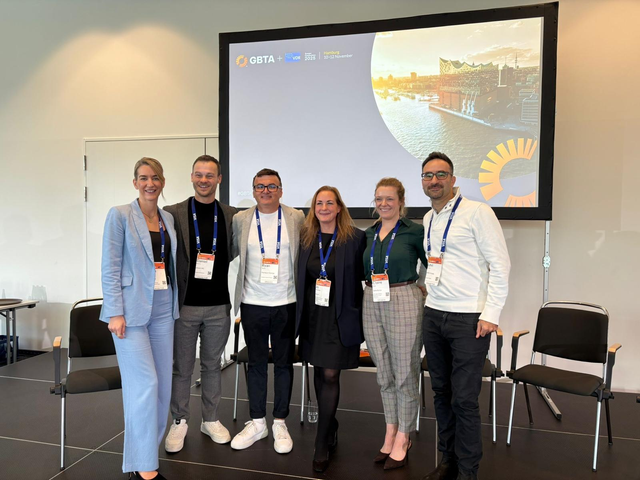
As we wrap up yet another year of inspiring knowledge sharing and collaboration with RES Forum, SilverDoor was delighted to welcome more than 40 international HR and mobility professionals to our London Chiswick office last week, as we played host to the network’s latest event: re-humanising global mobility.
From adapting to volatile market conditions, embracing opportunities to drive further inclusivity, an update on the temporary housing market and aligning global mobility with employee value proposition strategies, one theme remained clear: opportunities to enhance the relocation experience are abundant.
Join us as we reflect on the concepts discussed throughout this passionate and forward-thinking event, and hear from our team members on the opportunities identified for the wider HR and global mobility industry.
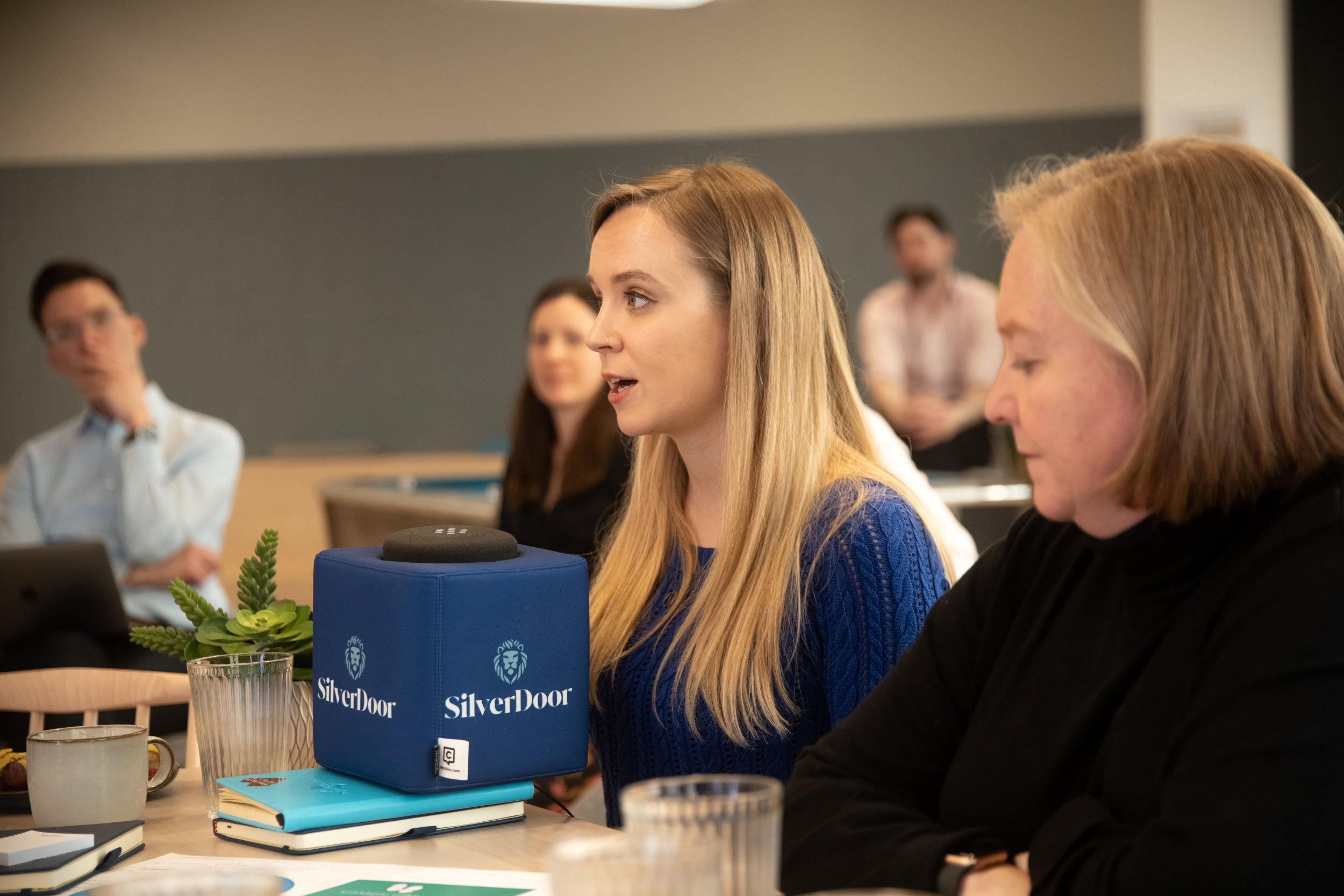
Over 40 global mobility professionals shared their perspectives on the Global Mobility industry’s opportunities and challenges
From pain points to policy: mapping the family journey for global talent success
Karlijn Jacobs, Founder of Expat Valley, kicked off the symposium, with an interactive and lively session, outlining the emotional and practical journey families face when relocating internationally. Karlijn set the tone by sharing a surprising case study which highlighted 25% of respondents had an unsatisfactory relocation experience, with 7% ending an assignment abroad early. Key reasons centred around family challenges and spouse career aspirations.
Karlijn went on to detail the emotional rollercoaster families face before and during a relocation, highlighting the major life changes faced. She also reinforced that once families arrive on an assignment, settling in takes months, not weeks; after a brief honeymoon period, culture shock often sets in before easing as routines and genuine connections form. These findings indicated a significant opportunity to engage cultural and logistical support much earlier than the standard timeframe.
Towards the latter end of Karlijn’s session, attendees were invited to explore the opportunities and challenges individuals face when relocating, and how we can enhance the overall experience. Themes such as cultural training, appropriate temporary housing, education consulting and community integration emerged.
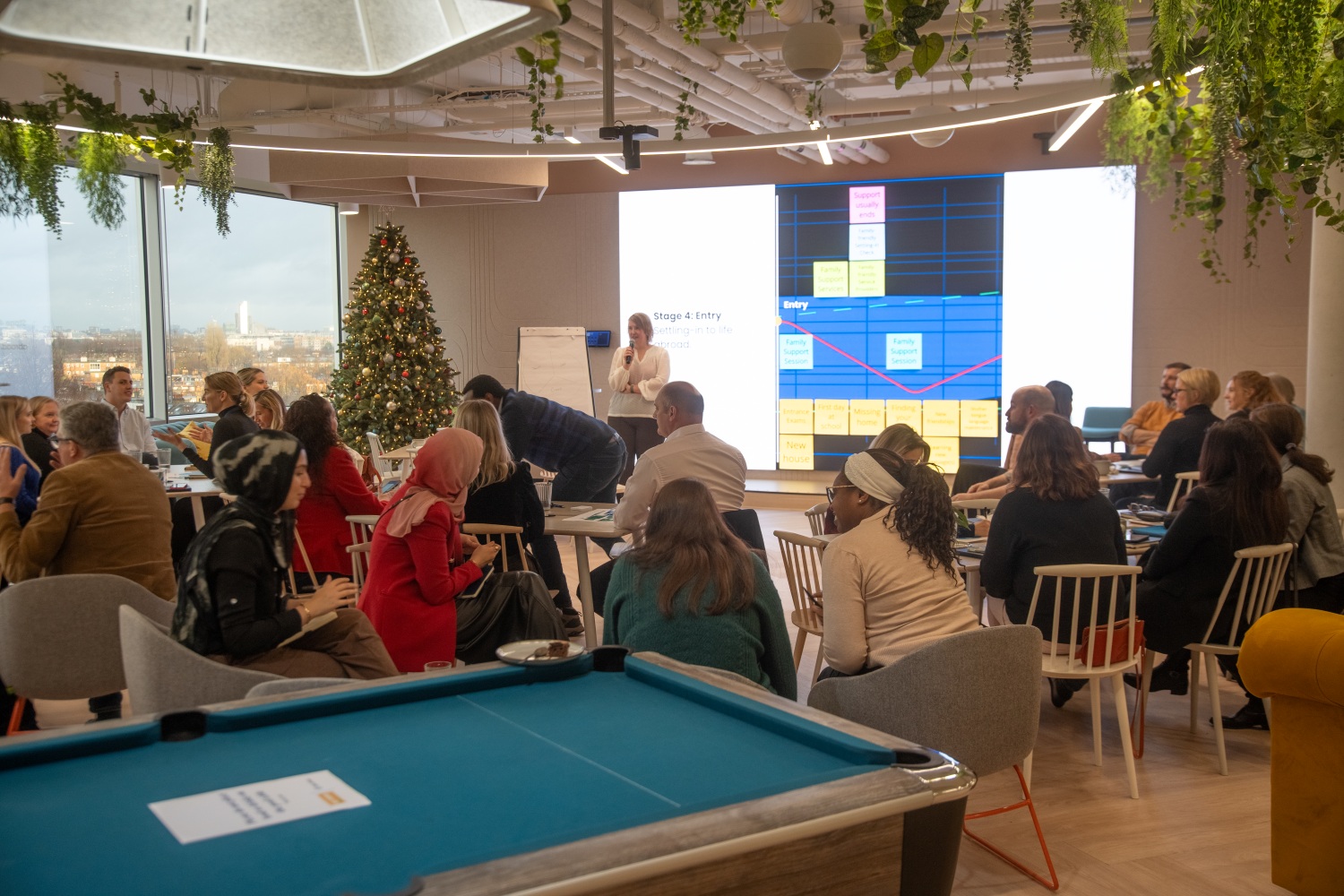
Karlijn dives into the emotional journey assignees experience when relocating
Temporary accommodation market update
SilverDoor’s Chief Commercial Officer, Claire Barrie, shared a comprehensive update on the temporary housing industry. Claire opened by asking attendees what they and their assignees want from temporary housing where comfort, safety and office proximity were highlighted as the top three most important elements. These findings reinforce the sentiment that a frictionless temporary housing experience remains paramount.
Claire explored the emotional toll a relocation can take on families, reinforcing importance of avoiding a purely process-driven approach and instead aligning suppliers and organisations to enhance the assignee experience. She highlighted compliance, a blend of technology and human touch, and flexibility during market volatility as key impactors on a relocation programme’s success.
“There is great opportunity in bringing departments together—from travel to mobility and even with your suppliers—to pool elements such spend and data, to make the most meaningful impact”.
Sharing some of the trends SilverDoor are seeing, Claire highlighted elements such as rising use of lump-sum policies, supply-chain instability, and growing demand in regions like the Middle East like Dubai, Abu Dhabi and Riyadh. Honing in on the volatile marketplace in which global mobility exists, Claire shared that forecasting is much harder in today’s world, before encouraging the audience to work with suppliers proactively, with transparency and by sharing best practices.
Key insights included:
- Longer stays—the average global mobility booking length has increased from 48 to 51 nights
- Ancillary locations—in the UK alone, booking into tertiary locations increased by 6.5%
- Frictionless travel—enquiries via SilverDoor’s online booking tool increased by 77% in 2025
- Demand patterns—Claire highlighted notable increased demand pattern into Dubai, Abu Dhabi and Riyadh.
“with adversity brings great opportunity as we navigate volatile market conditions and strive to be more creative, fresh and progressive than ever before.”
- Claire Barrie, Chief Commercial Officer, SilverDoor

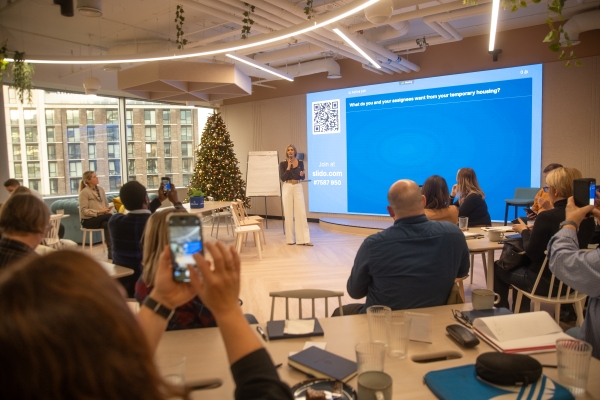
SilverDoor's Claire Barrie provides an in-depth update on the state of the temporary housing market
Future-proofing global mobility: a panel discussion
During this lively and inspiring panel, Christelle Labbe, Head of HR, SLB & Board Member, Permits Foundation, Dominic Offer, Sustainability Manager, Harmony Relocation Network, Ezeibe Agomo, Head of Global Mobility and Immigration, Equinix and Johan de Kam, Researcher and Lecturer, Aston Business School, explored the opportunities we face in enhancing the modern day global mobility programme.
A major theme included the imbalance between traditional mobility policies, built around a one-income, male-led, “traditional” family model, and the disparity between relocation policies and the realities of modern, diverse households. Data shared from the Permits Foundation showed the scale of the issue: most partners are well-educated professionals, yet many lose their careers during assignments, face barriers to working, or experience isolation and mental-health strain.
Speaking on gender inequality, Dominic Offer shared a stark reality “we are teaching children that men move and that women are the secondary conversation. We must re-consider how we are designing our programmes and our policies with inclusion in mind. There is absolutely a human factor we must consider”.
The panel explored the growing tension between global mobility’s complex compliance demands and the increasing need for human-centred, inclusive support for mobile employees and their families. While organisations face stretched headcount, cost pressures and rising geopolitical and regulatory complexity, the panel agreed assignee expectations are shifting toward more personalised, wellbeing-focused experiences.
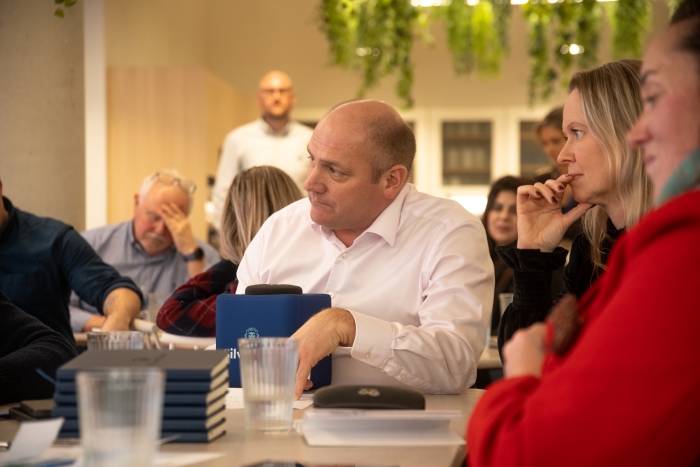
The panel provided a lively insight into the future of global mobility
A moment for diversity, equity and inclusion
One of the most dominant topics from RES Forum’s discussions were the opportunities associated with the development of inclusive policies. Karlijn Jacobs shared insights from a range of research and case study findings which found that current global mobility policies still centre around a narrow, traditional family model—married, heterosexual couples with children, where the spouse is expected to take on the unpaid “support” role.
Research showed such exclusive policies create unequal experiences: women report poorer relocation journeys, greater dissatisfaction, and heavier emotional and logistical loads. Modern families such as dual-career couples, same-sex partners, single parents, and those with varied cultural or religious definitions of “family” are often overlooked entirely.
Reflecting on these sentiments, Alex Butler, Head of Client Programme Management at SilverDoor shared:
“to truly support modern mobility, we need to rethink how policies show up for every type of family. That means backing dual-career households with real career and work-permit support, and recognising broader, more inclusive definitions of ‘family’. The largest cost is a failed assignment, and when families feel seen and supported that’s where we can make the biggest impact.”
Alex Butler, Head of Client Programme Management, SilverDoor
Embedding global mobility into your Employee Value Proposition (EVP) strategy
As the afternoon drew to a close, Will Guyatt and Michelle Sequeira from Gallagher and Ben Tarry, Partner at BDO led an insightful session on how to drive talent engagement and organisational growth through embedding global mobility into EVP strategies.
In this lively session, speakers argued global mobility managers should play a far more strategic role by anchoring their work in the organisation’s Employee Value Proposition (EVP). EVP was framed as a strategic blueprint that connects business purpose, brand promise and workforce expectations.
The speakers outlined different “layers”:
- Lifestyle factors like pay, benefits, inclusive family support, wellbeing and especially career development and repatriation (a major driver of post-assignment attrition).
- Talent lifecycle integration, ensuring mobility is embedded from attraction and onboarding through performance, progression and retention.
- Moments that matter, such as childbirth, illness or bereavement, where support (or lack of it) defines the true employee experience.
- Culture and leadership, so policies aren’t just written but actually lived.
Speakers stressed using data and sentiment (plus a reality check on how policies are applied) to understand the current state, then running a “health check” to prioritise gaps and design a mobility strategy tailored to the organisation vs generic best practice. Finally, they urged programmes to measure outcomes, enable managers, and lean on strategic partners where internal capacity is limited, so mobility becomes a driver of retention, growth and EVP—not just an operational process.
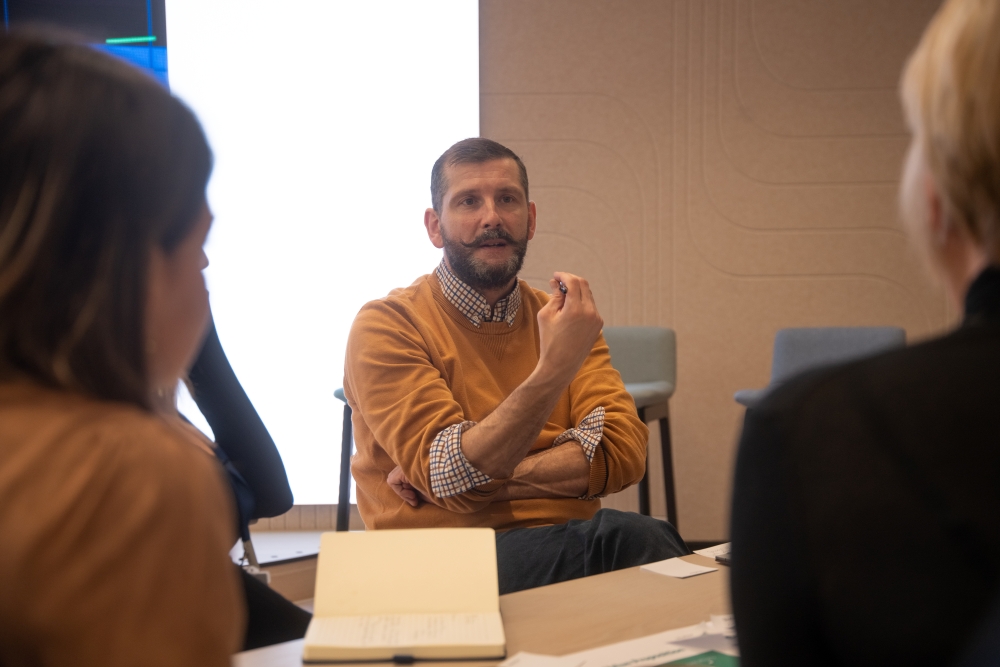
Attendees shared perspectives on inequality within the global mobility industry, highlighting the requirement for more inclusive policies
Looking ahead
In a global mobility landscape shaped by volatile market conditions, budget constraints and rapid digital acceleration, it was clear we as global mobility professionals need to grab the highlighted opportunities with both hands. Ultimately, RES Forum underscored the goal isn’t to eliminate uncertainty, but to adapt, collaborate and push the boundaries of policy in a way that is meaningful for everyone impacted by an employee relocation. With proactive, collaborative partnerships, and a collective drive for responsible, employee-centred innovation, the industry can shape a more inclusive and progressive future.