Last week, SilverDoor was proud to once again welcome the RES Forum community to our London headquarters. This insightful day was dedicated to one of the most pressing questions in our industry: how do we harness AI and automation without losing sight of the human beings at the centre of every relocation?
With input drawn from a landmark AI adoption survey, a live debate between AI advocates and "strategic humanists," a serviced accommodation market update, and a candid conversation about why assignments fail, the day delivered no shortage of insight; and no shortage of healthy disagreement.
Here's our round-up of the key themes, statistics and takeaways from the event.
The AI adoption gap: enthusiasm outpacing strategy
The day opened with the findings of an AI paper developed in 2025, drawing on responses from 50 multinational organisations spanning mobility, HR, payroll and relocation services. The headline finding set the tone for the rest of the symposium: 91% of organisations lack a clear AI strategy.
Speakers were quick to point out that this isn't a failure of ambition. Rather, it reflects a lack of top-down direction, with many organisations experimenting in pockets rather than moving with intent. Several structural issues came up repeatedly as barriers to progress. This included:
- Underinvestment in mobility: relative to other parts of the business, leaving teams under-resourced to explore AI tools properly.
- System fragmentation and infrastructure complexity, with legacy platforms not built to support AI integration or localised pilots.
- Talent constraints, with 72.7% of organisations reporting only a limited in-house team of AI specialists.
- Siloed collaboration, with inconsistent cross-functional workflows making it harder to scale any AI success story beyond the team that built it.
The great debate: automation vs the human touch
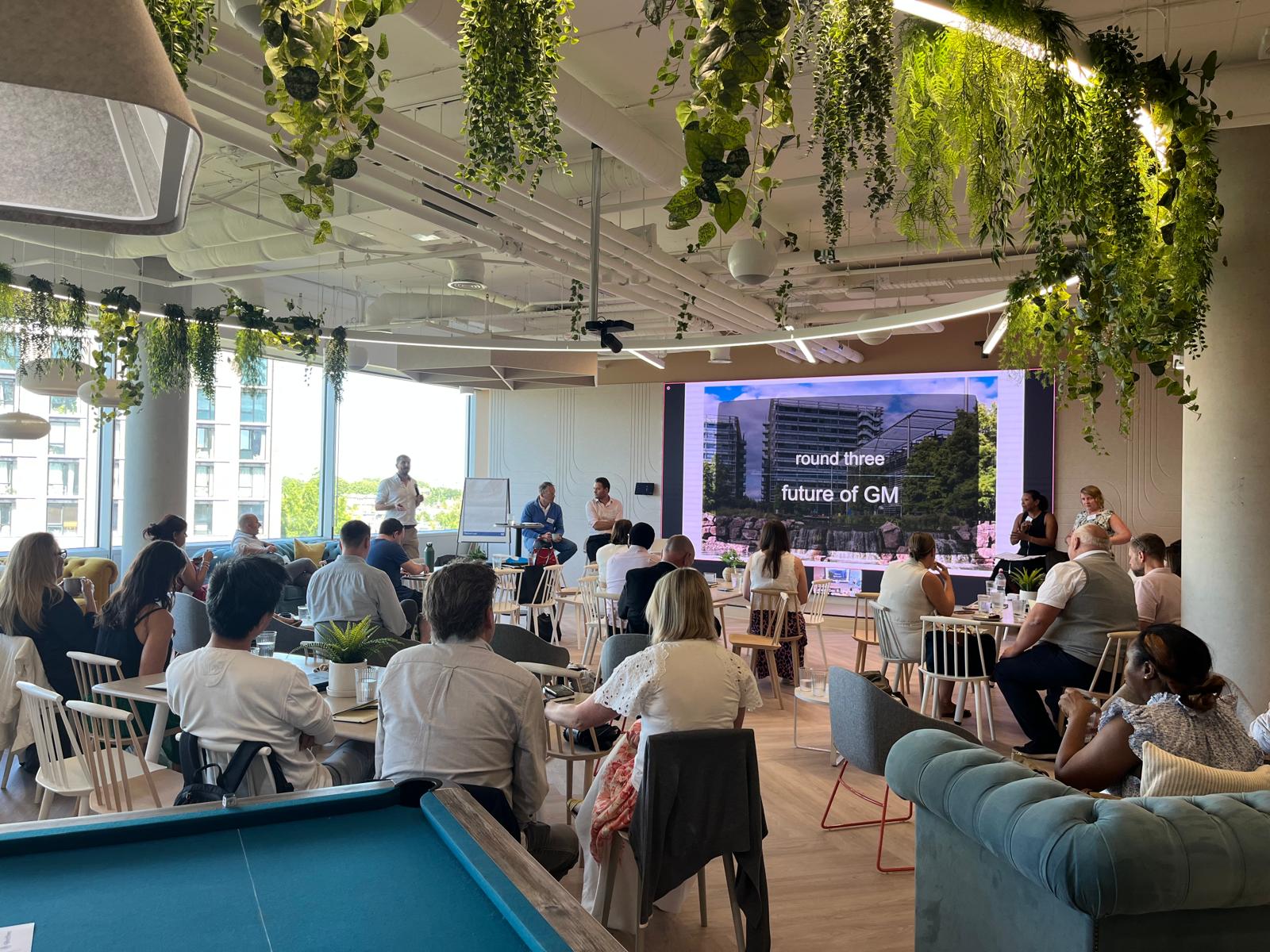
No discussions on AI would be complete without a disagreement, and RES Forum delivered one in the form of a structured and lively debate. Soren Sturup- Toft and Graham Wyllie argued the case for AI and automation, against Karlijn Jacobs and Nouran Zarroug, who argued for the primacy of human judgement.
The sharpest exchanges centred on where AI simply cannot substitute for a person. Real-world examples were shared, demonstrating no automated workflow could handle the unique nuances of each individual and families in the way a human could. Bias was raised as a persistent concern, with reference to studies showing AI recruitment tools can replicate existing discriminatory patterns rather than remove them.
On the flip side, defenders of automation argued that more than 60% of mobility functions currently spend most of their time on reactive, firefighting-style tasks. They argued this is time that could be reinvested into precisely the strategic, human-centred work the "humanist" side was championing, if automation were allowed to take on the administrative burden.
Bias, data and the case for "fixing the algorithm, not the person"
A recurring thread throughout the day was the question of bias within data in AI. One speaker made the case that technology bias is, in principle, far easier to correct than deeply ingrained human bias: give a flawed algorithm six months of retraining, the argument went, versus five thousand years of trying to shift human behaviour patterns.
That said, the room was clear-eyed about the risks. With 72–75% of tech development still carried out by men, according to one speaker, there's a real danger that internal mobility platforms and talent-intelligence tools could quietly bake in the very biases they're meant to remove.
Practical suggestions from the floor included:
- Actively stripping gender, race and other demographic flags from data used in mobility decision-making.
- Using automation to handle repetitive, common employee queries, instead freeing up mobility teams to give more personalised attention to the complex cases that remain.
- Designing solutions with global accessibility in mind, since technology that works well in mature markets can quickly become a barrier in regions with less developed infrastructure.
SilverDoor Market Update, led by Emma Horton, Senior Client Partnership Manager
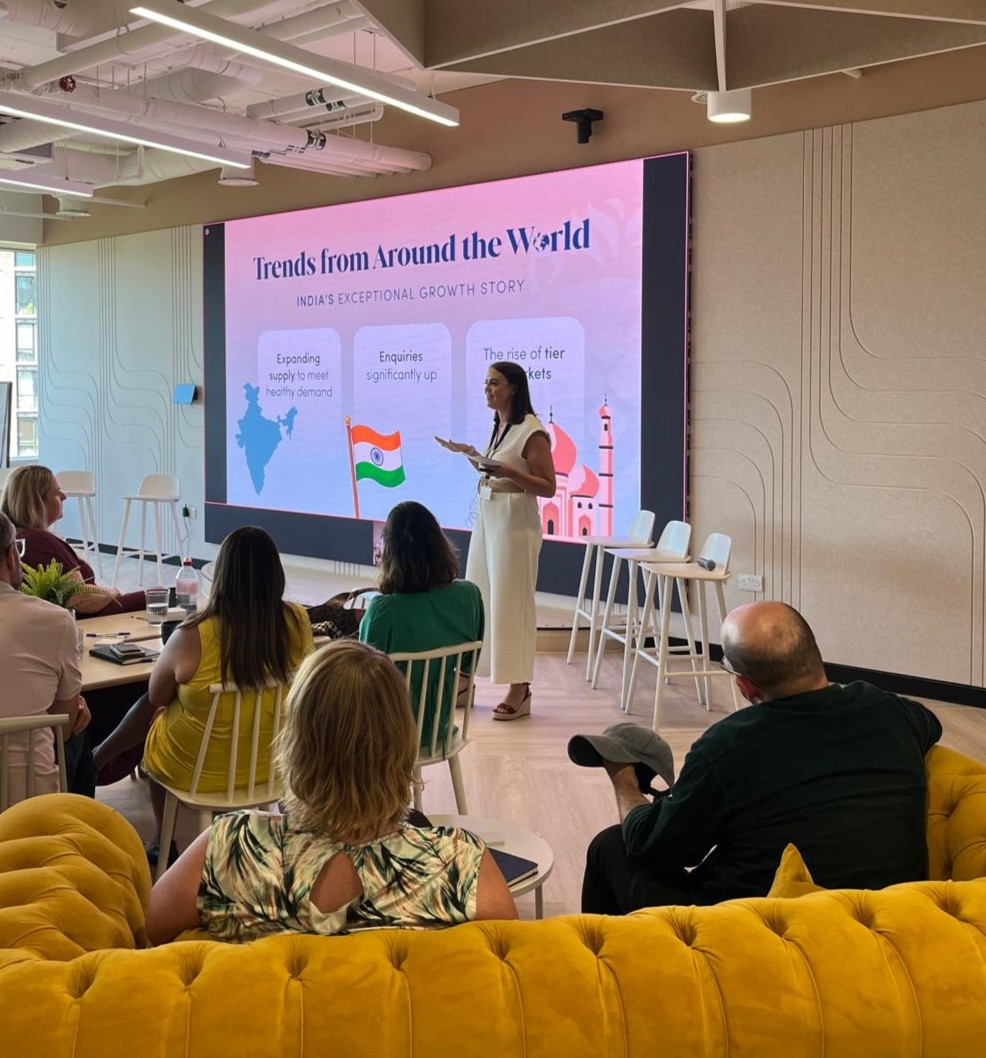
Following the debate, SilverDoor’s Emma Horton presented an insightful market update on the temporary housing landscape, drawn from 10 million data points captured from inquiry through to booked reservations in H1 2026.
Key findings included:
London is back with a bang:
- London rates are up 13.4%, demonstrating healthy demand
- Alongside a clear drive back to office-based working, remote job advertisements have dropped 60%, and major employers including JP Morgan, Goldman Sachs and WPP are actively expanding their London office footprints.
The industry’s most exciting success story: India
- India's demand for temporary housing increased by 140%, with growing importance placed on tier-two destinations alongside the traditional major hubs.
The tide is turning for China inbound:
- China's workforce growth is being shaped by visa liberalisation for UK and Canadian nationals, a new talent-focused visa route, and major investment in solar, EV and lithium battery industries.
Managing impact periods in the US and around the world:
- Using the ongoing World Cup as an example, Emma urged the audience with traveller populations going into the US to plan around major global events, such as the upcoming 2028 LA Olympics.
- Emma explained decision makers can plan ahead to secure the best rates, or alternatively (but at a risk) wait until closer to the time when distressed inventory is released back into the market.
Read the full insights in our latest Market Update.
Why do assignments really fail?
Why do international assignments fail in the first place? The conversation quickly moved past a binary "success or failure" framing, with several attendees pointing out that outcomes exist on a spectrum An assignment can be commercially disappointing yet still a personal success for the individual, or vice versa.
Recurring causes of failure raised by the room included:
- Shifts in talent strategy or organisational structure that overtake the original purpose of the assignment.
- A lack of business side support for the practicals and individual needs of the assignee.
- Poor planning before departure, leaving employees under-equipped for the realities of the move.
- Unclear expectations from the outsetis repeatedly cited as the single biggest predictor of whether an assignment lands well.
The consistent thread: assignments succeed when organisations invest early in setting expectations and providing genuine support, not just process.
FuN: resilience after failure
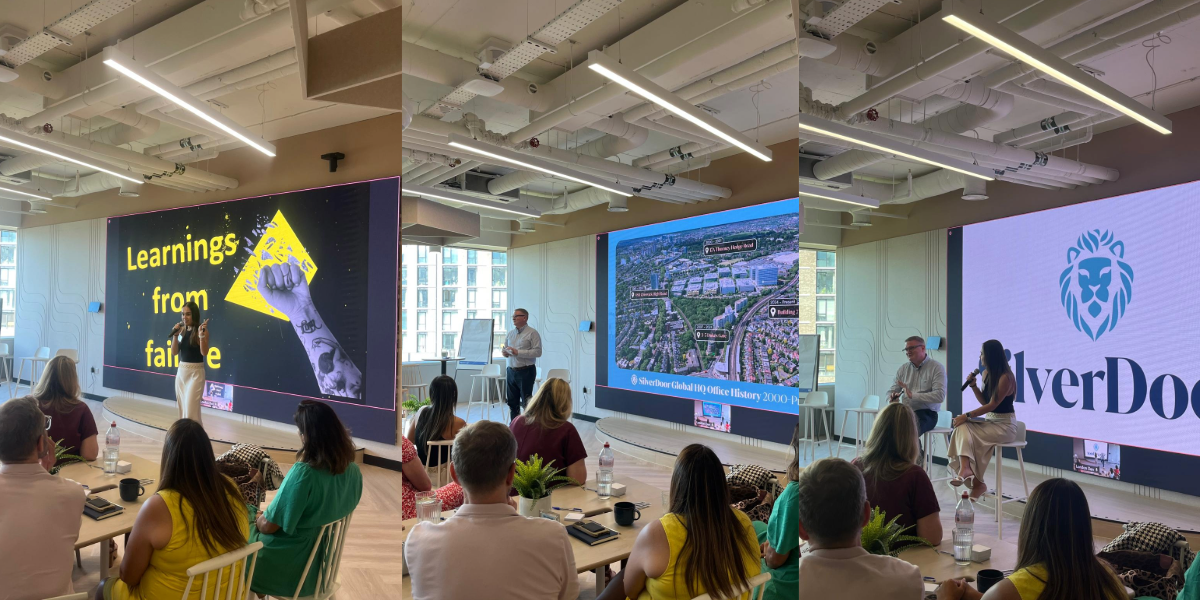
As the day drew to a close, the "FuN Nights" session brought a refreshingly honest change of pace, with three inspiring speakers, including SilverDoor's Founder and Executive Chairman, Marcus Angell, who shared personal failures from their lives and careers, what they learned, and how they moved forward.
It made for a warm, candid discussion, with attendees encouraged to celebrate failure rather than shy away from it. The message was simple: setbacks are where real growth happens, and normalising that is worth celebrating.
Looking Ahead:
If there was one unifying message from the day, it's that AI and automation are not the enemy of human-centred global mobility , but they're not a substitute for it either. The organisations getting this right are the ones building automation into the operational layer so that people can focus on what only people can do: reading a family's needs, exercising judgement in a grey area, and providing genuine support through one of the most disruptive experiences an employee can go through.
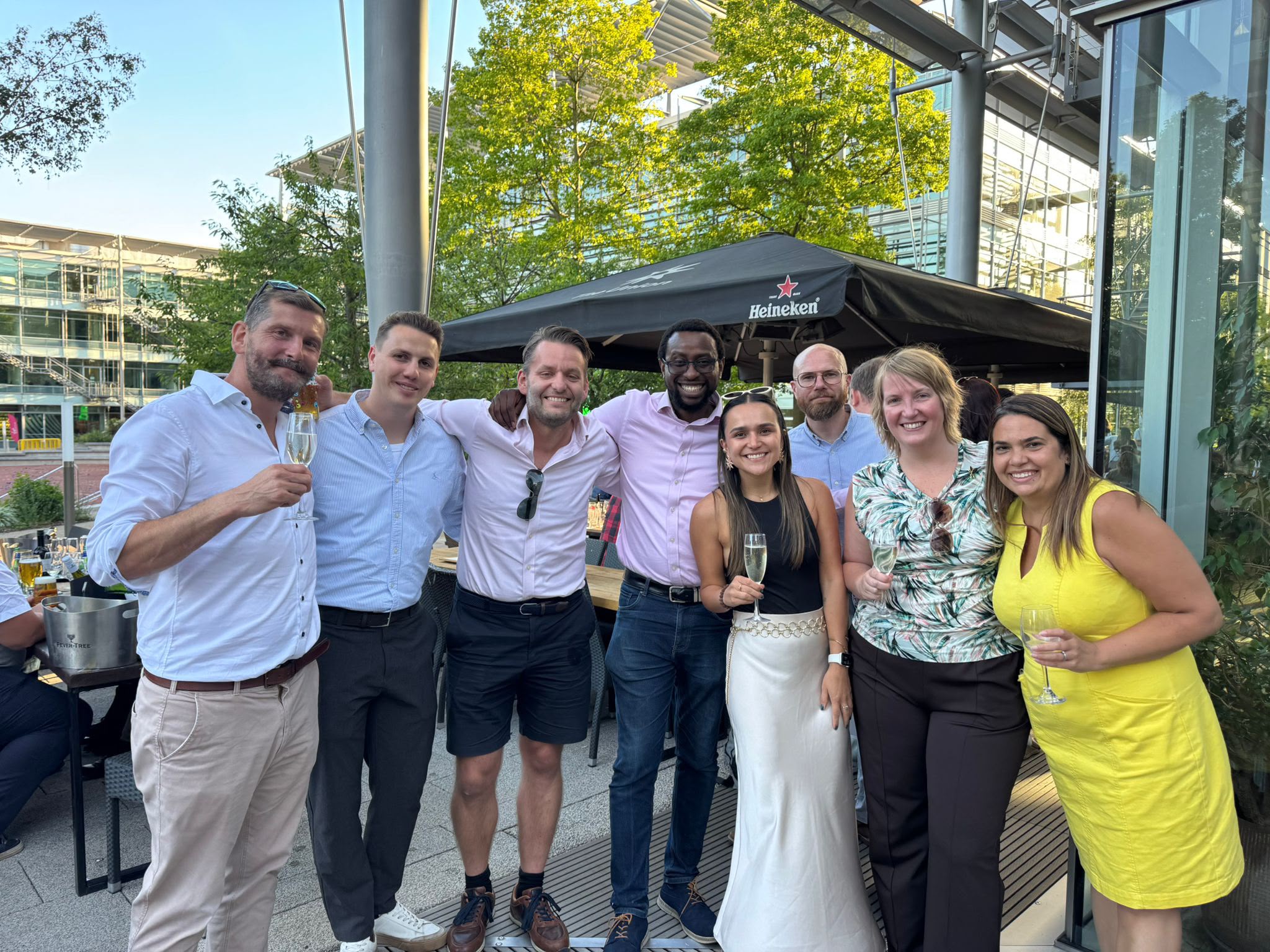
Thank you to everyone who joined us at our London office for another thought-provoking RES Forum event.