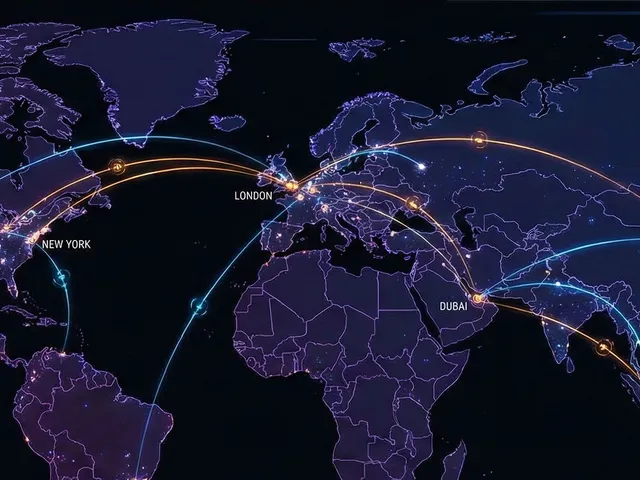
The Middle East is undergoing a remarkable transformation as a global business destination. Locations such as Abu Dhabi, Dubai, Riyadh, Manama and Doha have rapidly emerged as essential destinations within the global corporate landscape, playing host to major conferences, regional headquarters, and ambitious economic initiatives that are reshaping industries from technology to finance, energy to entertainment.
At SilverDoor, our global presence means we can offer a range of exceptional serviced accommodation options in the locations you need, while our global expertise can help you navigate Ramadan's unique considerations, from location intelligence that minimises traffic disruption to properties with the amenities that matter most during the holy month.
This guide will help you navigate Ramadan with confidence, respect and professionalism.
What You Need to Know About Ramadan in the Middle East
Understanding Ramadan
Ramadan is the ninth month of the Islamic lunar calendar and the holiest period in the Muslim faith. For Muslims worldwide, it's a month dedicated to fasting, prayer, reflection and community. More importantly, it is a time of spiritual renewal, increased charity, strengthened family bonds, and heightened community connection.
In 2026, Ramadan is expected to begin on the evening of Tuesday 17th February, with the first day of fasting on Wednesday 18th February. The holy month will last for 30 days, concluding on Thursday 19th March 2026.
Eid al-Fitr, the three-day celebration marking the end of Ramadan, is expected to begin on Friday 20th March 2026. As one of the most significant holidays in the Islamic calendar, over the three-days, businesses close, people celebrate with family, and the countries shifts into a period of collective festivities and rest. It is important to note that the exact start and end dates depend on the sighting of the new moon and are typically confirmed just one or two days in advance by religious authorities in each country, therefore keep this in mind prior to booking your stay.
What Business Travellers must be aware of when travelling to the Middle East during Ramadan
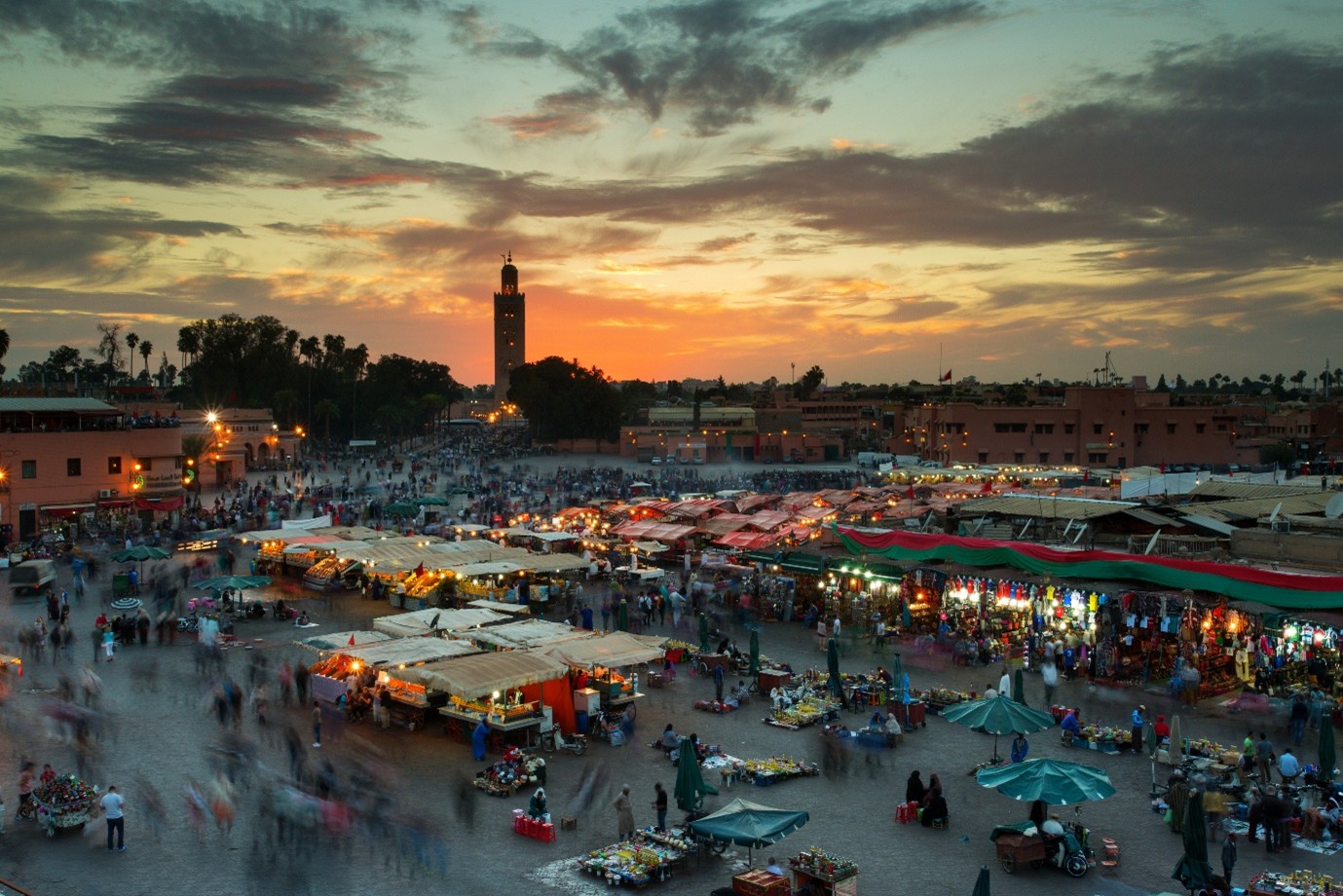
As a business traveller, understanding the cultural norms associated with Ramadan is more than cultural courtesy, it is about respecting a major religious observance in Islam, which has direct implications on both personal and professional life.
Business and Working Hours
If you are working during this period, you should also expect reduced working hours. Government offices, banks, and other major businesses will operate on shortened schedules, with some shifting to split hours, meaning flexibility and patience will be essential.
Meetings and Iftar
During the period of fasting, be aware of when you are scheduling meetings to consider when people will be most productive.
Late mornings (10am-12 noon) are recommended before peak hunger or fatigue set in, or post-Iftar evening (8pm-10pm) when individuals are refreshed and re-energised.
As business relationships across the Middle East are built on personal connection, being invited to an Iftar is both an honour and an opportunity. Many restaurants offer special Iftar buffets, it’s a great opportunity to experience local culture, hospitality, and cuisine. You aren’t expected to fast or participate in all religious observances; however, you will be expected to ensure you are not eating or drinking water in public spaces as a sign of respect. A demonstration of cultural sensitivity can transform a standard business interaction into the foundation of a lasting partnership.
Public Spaces
As a month of spiritual focus, Ramadan brings noticeable changes to music and noise levels. In public spaces, background music is significantly reduced or turned off during daylight fasting hours, and live entertainment is scaled back or adapted. It’s recommended to keep voices moderate in public areas. You will also hear the call to prayer five times a day. Across several Middle Eastern countries, a cannon is fired at sunset, and is a culturally significant tradition signalling the breaking of the fast. If you’re nearby, pause conversations briefly and lower your voice as a sign of respect. After Iftar, the atmosphere becomes much livelier, with streets and cafés buzzing with energy and conversation.
Local Laws
Across the Middle East, there are laws governing public behaviour during Ramadan. Eating, drinking, or smoking in public during fasting hours can result in fines or other penalties. These laws apply to everyone, regardless of religion, therefore it is vital to familiarise yourself with the legalities in your specific location.
What to wear
While the Middle East maintains conservative dress standards year-round, these expectations intensify during Ramadan. For men, avoid shorts, sleeveless shirts, and overly tight clothing in public and for women, avoid low necklines, sleeveless tops, short skirts, and tight clothing. Across the Middle East, there are country nuances, however dressing modestly with loose-fitting clothes is respected regionally.
Getting Around during Ramadan
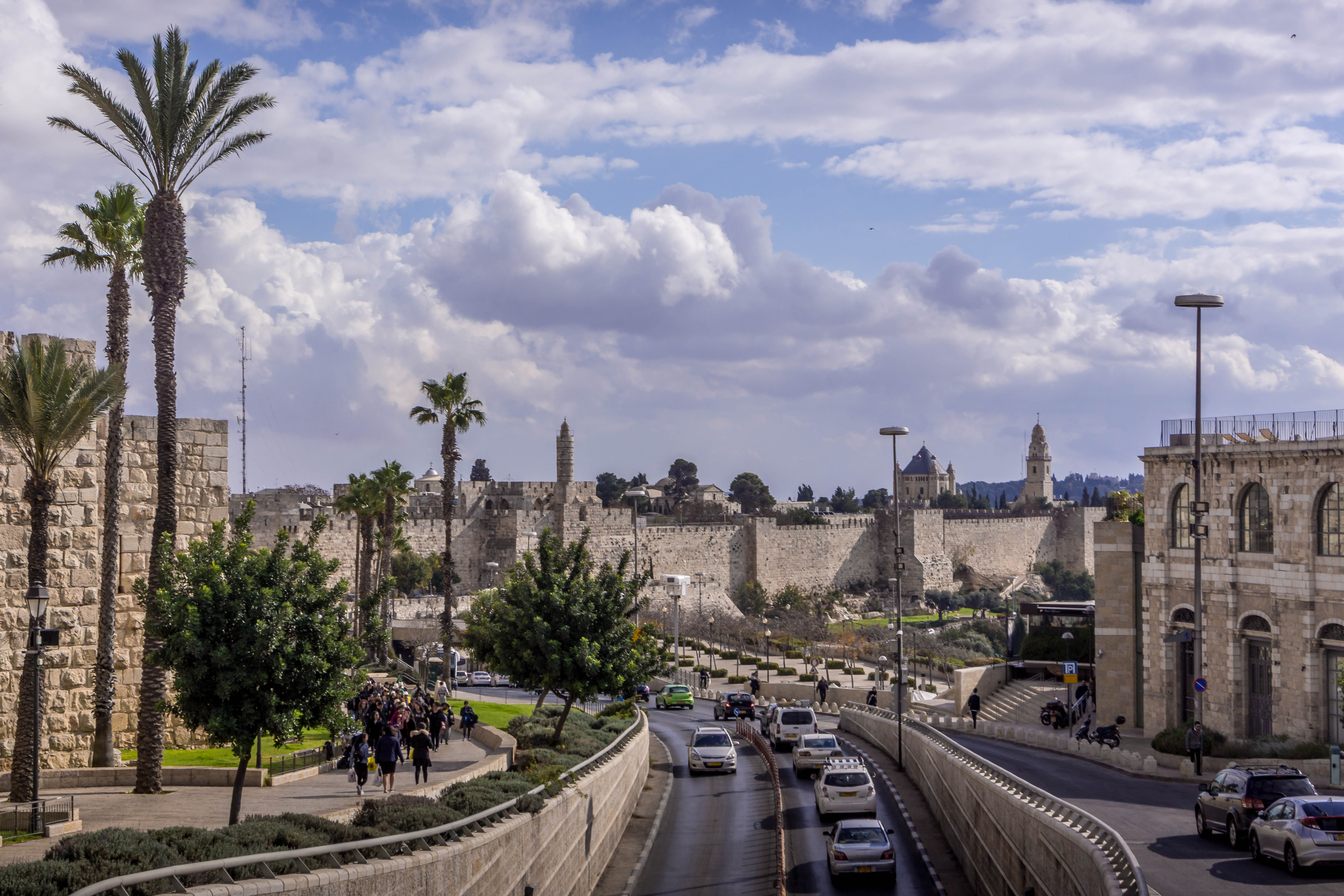
Transportation schedules can shift dramatically during Ramadan, particularly in the hour leading up to Iftar. Understanding these patterns can save you significant time and frustration. Avoid being on the road 30-60 minutes before Iftar (sunset). This is when traffic reaches its absolute peak as everyone rushes home to break their fast with family.
Recommended times to travel are early in the morning between (7am-9am) due to clear roads, which are ideal for airport transfers or inter-city travel, and during Iftar (sunset + 30 minutes) with roads being nearly empty whilst the breaking of the fast occurs.
Public transport continues operating, however with modified schedules, Dubai Metro often extends evening hours for social activities and shopping, check RTA website for Ramadan timings. Riyadh Metro maintains consistent service with possible reduced frequency during mid-afternoon. Buses also have reduced frequencies especially afternoons, however evening services typically run later to accommodate social patterns.
Why Booking a Serviced Apartment in the Middle East is Ideal During Ramadan
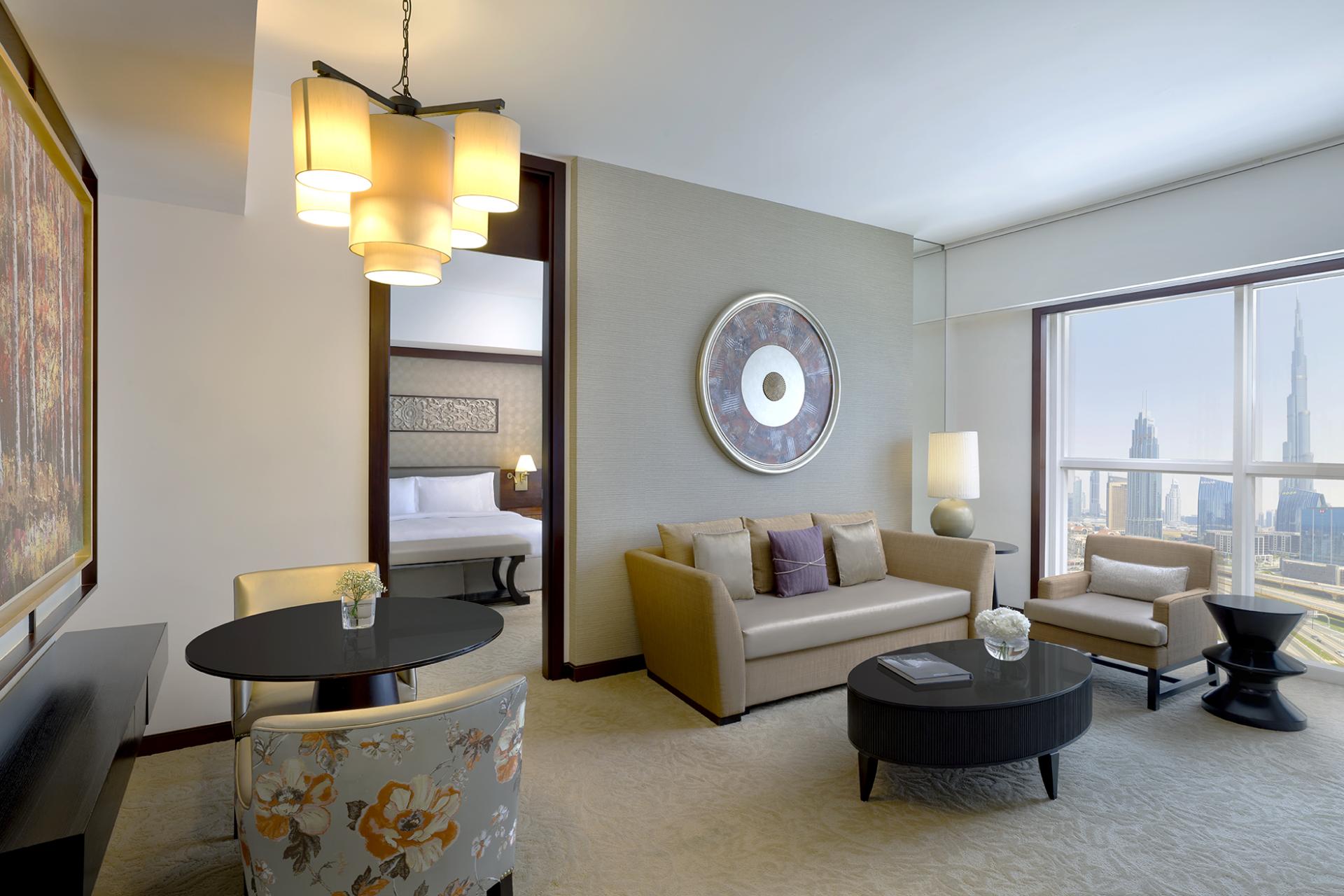
Serviced apartments across the Middle East have distinct advantages over traditional hotels, especially during culturally significant periods like Ramadan.
Perhaps the biggest benefit during Ramadan is having your own kitchen. Eating in public during fasting hours is legally restricted in the across Middle Eastern countries, and with many restaurants closed during daylight hours, the ability to prepare your own meals from your serviced apartment will allow you to maintain your own routine while respecting local customs.
During Ramadan, when you may be returning late from evening meetings or Iftar gatherings, the security and privacy of a serviced apartment offer peace of mind. Many properties have 24/7 concierge services, secure entry systems, and dedicated support staff. In addition, all of SilverDoor’s serviced apartments are vetted and verified to our high-quality standards.
Ramadan's daytime atmosphere is notably quieter and more contemplative. A serviced apartment gives you dedicated workspace, often a proper desk, reliable Wi-Fi, and separation between living and working areas, perfect for productive focus during these calmer hours.
Many serviced apartments are located in residential areas, not just tourist districts. During Ramadan, this means you experience the authentic rhythm of local life, hearing the call to prayer from neighbourhood mosques, seeing families gather for Iftar, observing the evening transformation of communities. With SilverDoor, you will have a more genuine cultural experience.
Regional Differences
While Ramadan customs are broadly consistent, subtle variations exist. Dubai, for example, can be cosmopolitan and may feel westernised in certain locations, with designated areas for discreet daytime dining. Abu Dhabi is slightly more conservative. Riyadh maintains the strictest observance, public eating during fasting hours carries stiffer penalties and the atmosphere is more formally reverent. Manama is generally the most liberal, though respect for traditions remains important.
To ensure you remain respectful and considerate during Ramadan, our advice is to ensure you don’t treat these differences across cities as license to relax your standards. The business travellers who build the strongest relationships adopt a respectful approach regardless of location. Be mindful and considerate, this consistency demonstrates cultural intelligence that is highly valued in Middle Eastern culture.
Essential phrases for Business Travellers During Ramadan
- Generous Ramadan
- Ramadan Kareem (رمضان كريم)
- Pronunciation: rah-mah-dahn kah-reem
- When to use: Throughout Ramadan as a general greeting
- Blessed Ramadan
- Ramadan Mubarak (رمضان مبارك)
- Pronunciation: rah-mah-dahn moo-bah-rahk
- When to use: Throughout Ramadan, slightly more formal
- Thank you
- Shukran (شكراً) - shook-rahn - Standard "thank you"
- Shukran jazeelan (شكراً جزيلاً) - shook-rahn jah-zee-lahn - "Thank you very much"
- Please in Arabic
- Min fadlak (من فضلك) - min fahd-lahk - To a male
- Min fadlik (من فضلك) - min fahd-lik - To a female
In Meetings
- God willing
- Inshallah (إن شاء الله) - in-shah-ah-lah
- "God willing"
- Used when discussing future plans
- May I? / Is it possible?
- Mumkin? (ممكن؟) - moom-kin
English is widely spoken in business settings in the Middle East but making an effort with Arabic phrases shows respect, be aware that phrases change based on who's speaking or being addressed. During Ramadan, people may refrain from handshakes during fasting hours, make sure to follow your host's lead. What matters more than perfect pronunciation, is warmth, sincerity and showing a willingness to learn.
At SilverDoor, our team will help you plan your business trip during Ramadan by finding the most suitable serviced apartments for your stay. With strong local insight, we can advise on the best locations and properties based on your business needs, meeting locations, and travel dates. Contact our team of experts, available 24/7, for personalised recommendations tailored to your requirements.
Frequently Asked Questions:
What should business travellers expect during Ramadan in the Middle East?
Ramadan is a month of fasting, reflection, and community. Business hours may be shorter, some restaurants close during the day, and evenings become lively with social gatherings and meals. It’s a unique and rewarding time to visit, as long as you plan with cultural awareness in mind.
Can I eat and drink during the day?
Non-Muslims are not required to fast, but eating, drinking, or smoking in public during daylight hours is generally discouraged and sometimes restricted. Our serviced apartments provide fully furnished kitchens, where you can cook and eat comfortably.
Will business hours change during Ramadan?
Yes, many offices, banks, and government services operate reduced hours. Meetings often start later in the day, and productivity rhythms may shift. We recommend confirming schedules in advance and allowing extra flexibility in your itinerary.
What should I wear during Ramadan?
Dressing modestly is especially important during this period. For both men and women, this means covering shoulders and knees in public spaces. In business settings, conservative professional attire is always a safe choice.
What is Iftar, and should I experience it?
Iftar is the evening meal that breaks the fast at sunset and it’s a highlight of Ramadan. Many restaurants and hotels offer special Iftar buffets, and it’s a great opportunity to experience local culture, hospitality, and cuisine.
Is it safe to travel to the Middle East during Ramadan?
Yes, Ramadan is actually one of the most peaceful and safe times to visit. Crime rates typically decrease, and there's a strong sense of community and hospitality.