Smart cities are no longer just a pipedream spoken about only in the future tense. While headlines often spotlight ambitious projects like The Line in Saudi Arabia —cities built from scratch with dramatic architecture and futuristic promises—the reality is far more grounded and immediate. The world’s existing cities are already becoming smarter, and that has major implications for business travel and the serviced apartment sector.
_____________________________________________
| Busting the Myth: Smart Cities Are Here and Now
A common misconception is that smart cities are concepts reserved for the distant future. In reality, urban centres like London, Singapore, Helsinki, and Barcelona (Smart City Barcelona: a network of networks - SDG Local Action) are already embedding intelligent, connected infrastructure into daily life. Governments and private investors are spending billions to make cities cleaner, more efficient, and more liveable.
At their core, smart cities are urban areas where physical, digital, and human systems are seamlessly integrated to improve quality of life. They use the Internet of Things (IoT)-a network of sensors and connected devices—alongside artificial intelligence and automation to create responsive, data-driven environments. That might mean renewable-powered smart grids (electricity networks that automatically balance supply and demand), intelligent traffic systems, green roofs that improve air quality, or even IoT-enabled bins that signal when they need emptying.
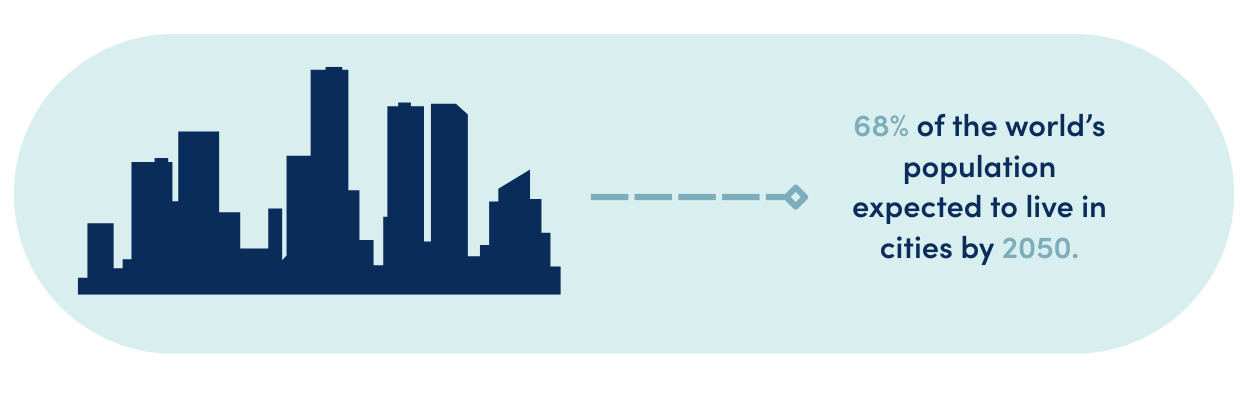
And with 68% of the world’s population expected to live in cities by 2050, these innovations aren’t optional—they’re essential. Urban density will keep climbing, and without smart infrastructure, cities risk buckling under the pressure.
______________________________________________
| How Smart Cities Shape the Business Travel Experience
From a business travel perspective, smart cities promise frictionless, hyper-personalised journeys. For organisations planning relocations or large-scale events, the advantages are clear.
Take MICE travel as an example. MICE stands for Meetings, Incentives, Conferences, and Exhibitions—the collective term for business events that bring together hundreds or even thousands of delegates. This type of travel is a growing priority for corporations, and smart cities make hosting such events far easier and more attractive.
Here’s how smart cities support business travellers:
- Smarter transport: Real-time public transport tracking, adaptive traffic lights, and on-demand mobility options (e-scooters, bike sharing, ride-hailing) reduce stress for time-pressed professionals.
- Seamless arrivals: Imagine a global conference where itineraries are automatically pushed to delegates’ phones, taxis are booked in sync with real-time flight data, and translation tools dissolve language barriers.
- Personalisation at scale: AI-powered travel apps recommend restaurants, events, and wellness options tailored to individual preferences—bridging the gap between business and leisure travel.
- Real-time crisis response: From transport strikes to extreme weather, smart cities enable rapid communication, emergency alerts, and responsive rerouting—helping companies keep travellers safe and compliant with duty of care.
- Sustainability built in: Smart energy grids, EV charging networks, adaptive road pricing, and rooftop biodiversity projects reduce a city’s carbon footprint. For corporates, that means travel programmes that align naturally with ESG targets
For MICE organisers, smart cities don’t just improve logistics; they make destinations more competitive. With integrated airline networks, cutting-edge venues, and frictionless mobility, places like Singapore and Barcelona gain an edge when attracting international conferences.
______________________________________________
| Smart City in Focus: Singapore
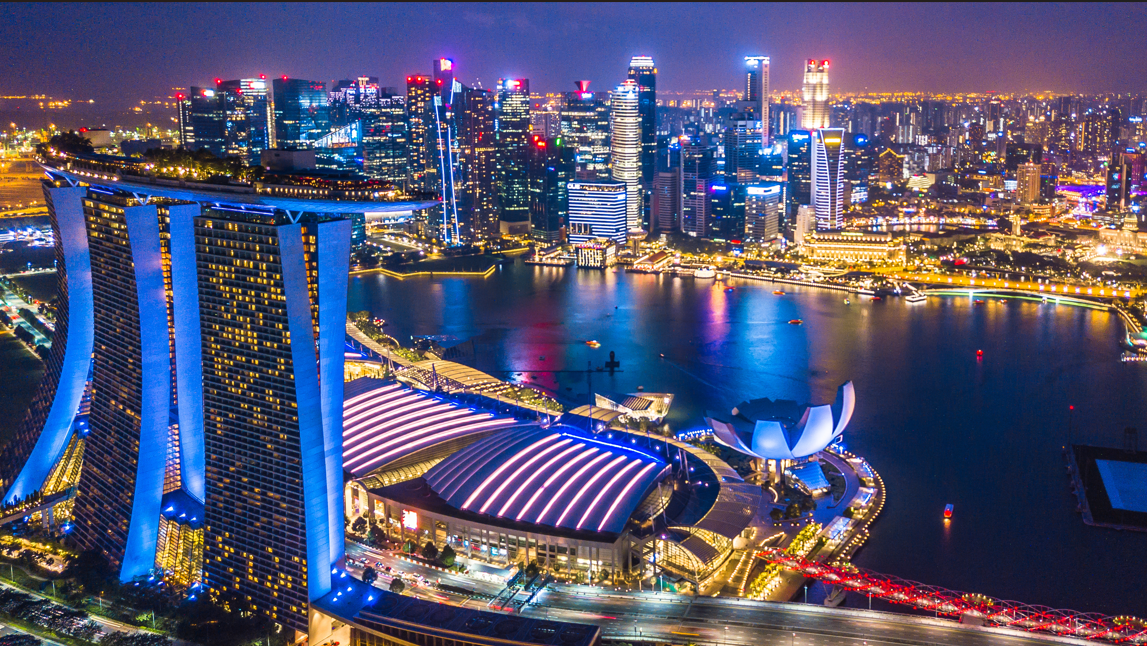
Singapore is widely recognised as a hub for business travel in APAC, and its smart city initiatives are creating increasingly seamless experiences for corporate travellers. While sustainability is an ongoing journey, there are already clear steps being taken in the hospitality sector that illustrate how technology and innovation are enhancing stays.
IoT-Enabled Hotels and Hybrid Meeting Spaces
Many properties now offer smart room controls, allowing guests to adjust lighting, temperature, and other settings via mobile devices. Automated check-in and check-out, as well as personalised services informed by data analytics, help make business stays more efficient and comfortable. Modern venues, such as Marina Bay Sands, are equipped with AR/VR and advanced conferencing technology, enabling hybrid meetings that accommodate both in-person and remote participants.

----------------------------
“Singapore has found practical ways to adapt smart city thinking to a small and densely- populated country. In the hospitality sector, we’re already seeing investments in greener technologies and guest-focused innovations, from rooms you can control with your phone to hybrid meeting spaces and cashless convenience. These changes are setting the stage for a more sustainable and seamless travel experience.”
— Cecilia Cai, Senior Partner Account Manager – APAC, Partner Relations, SilverDoor
-----------------------------
Smart AC Systems and Energy Efficiency
Singapore’s hotels and serviced apartments are also turning to smart AC systems to reduce their environmental impact. According to Sensgreen, hotels that have adopted these systems—with features like intelligent scheduling, occupancy sensors, centralised control, and remote access—report up to a 15% increase in positive guest feedback on comfort.
These systems ensure rooms are comfortable when occupied while automatically reducing heating or cooling when vacant, saving energy without compromising guest experience. Such improvements contribute not just to guest satisfaction but also to real operational savings and alignment with sustainability goals.
Green Buildings and Sustainability in Practice
In Singapore, some of the newer hotels and residences are starting to show what a more sustainable, connected stay can look like. Citadines Raffles Place Singapore has introduced solar panels, battery recycling bins, tote bag initiatives, and EV charging points to make eco-friendly choices easier for guests. Fraser Residences Promenade and DAO by Dorsett also showcase renewable energy and green practices. These steps may still be emerging, but they hint at the potential for accommodation to integrate with the wider smart city ecosystem.
Cashless Convenience
Digital payments such as PayNow and GrabPay are widely accepted, making everyday transactions smoother for international visitors. Simple conveniences like these may seem small, but they add up, helping business travellers navigate the city more easily and focus on the work that brought them there.
_____________________________________________
| Implications for Serviced Apartments
As cities evolve, serviced apartments are uniquely positioned to benefit from smarter infrastructure and data insights. Real-time information—from travel trends to event schedules—can help providers manage availability and pricing more responsively. Personalisation is also becoming more feasible, whether through tailored welcome packs, smart-room controls, or local guides that help travellers make the most of their time.
For larger assignments or corporate programmes, these technologies make group stays smoother, with easier check-ins and coordination. And as cities pursue sustainability targets, working with local partners and integrating energy-efficient systems can become part of the overall experience, not just a back-end consideration.
| Looking Ahead: Opportunities and Challenges
Smart cities bring possibilities, but also questions. Travellers are rightly concerned about how their data is used, and the term “smart city” can still feel abstract or overhyped. Demonstrating tangible benefits—safer journeys, faster commutes, measurable environmental improvements—will be key to winning trust.
Sustainability will remain central. As cities expand renewable grids, green their buildings, and rethink transport, accommodation in these locations can support corporate ESG goals while enhancing the travel experience. The challenge and opportunity lie in aligning with these changes in a way that feels practical, human, and genuinely useful for those moving through the city.
There’s also an opportunity for Travel Management Companies (TMCs)- firms that manage business travel on behalf of corporations- to build tools that plug directly into smart city ecosystems—whether AI-driven itinerary planners, localisation apps, or automated duty-of-care systems.
| A Smarter Future
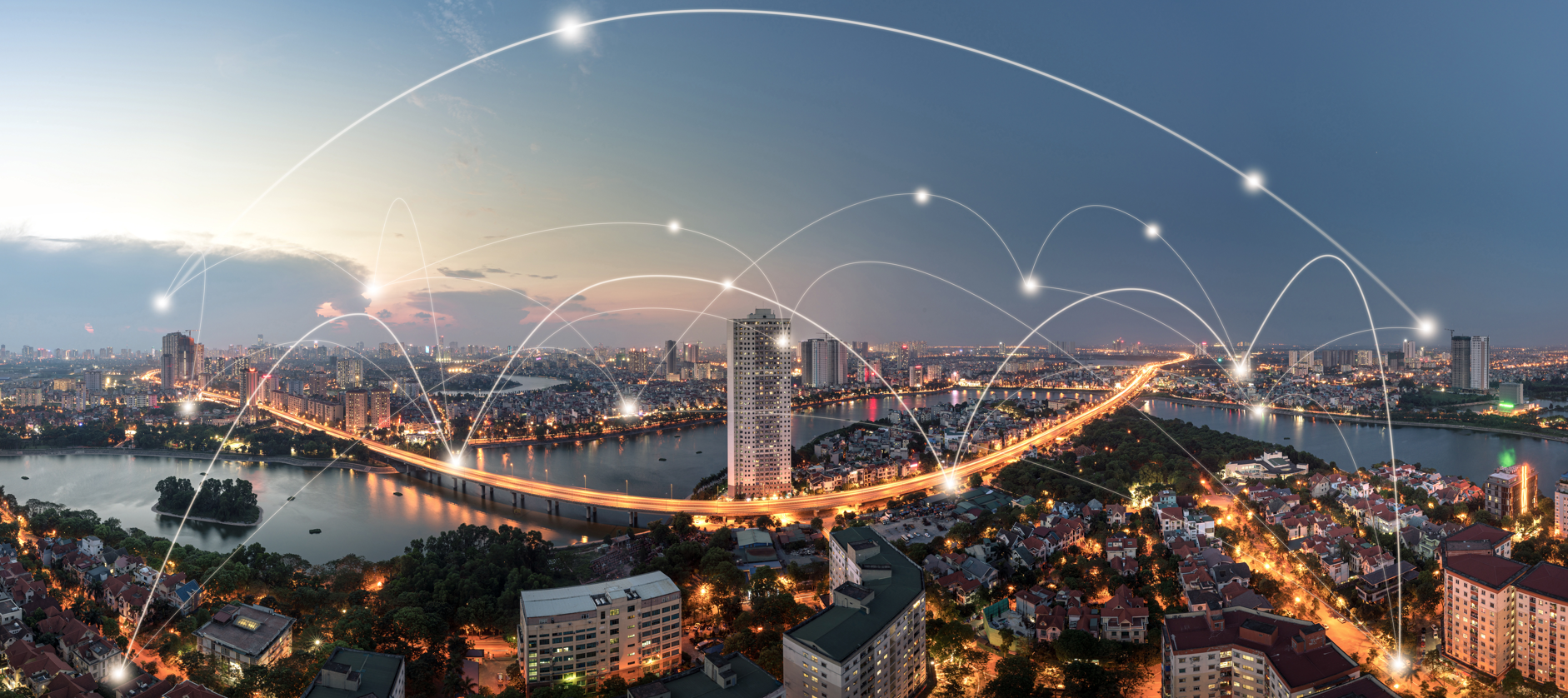
Smart cities are not just reimagining how we live - they’re reshaping how we travel for business. The question now is: what does that mean for organisations, travellers, and the accommodation partners that support them?
Companies in the serviced apartment sector are increasingly focused on the future of business travel. Smart cities offer opportunities to make journeys smoother, forge stronger local connections, and rethink what a corporate stay can look like in a connected world. As these cities continue to evolve, so too does the way travellers experience them, and this is just the beginning of what’s possible.
How do you see smart cities changing the way we travel for work? And what role should accommodation providers play in that future?
Learn more about how we support sustainable business travel in cities like Singapore, London, and beyond. Or explore our Carbon Calculator to see how our serviced apartments help businesses meet their ESG goals.