Digital safety and online welfare have become a necessary precaution. Companies have responsibility for their workplaces engaging in good sociotechnical practice and training. SilverDoor are breaking down what healthy digital safety looks like, which threats to avoid, and critically: how we can adapt to changing generational learning habits within the workplace.
We work with many clients who operate in highly regulated industries, including global banks and other financial services companies, legal firms and insurers. They have extremely stringent data security requirements for all their suppliers, and especially those who handle the personal data of their people, and their families. We've therefore had the opportunity to develop very comprehensive, regularly audited policies in these areas.
There are various technical, physical and organisational measures we take to safeguard data and keep it confidential:
- Data encryption in transit and at rest.
- Strictly enforced access controls ensuring only authorised personnel can access personal data relevant to their roles.
- Regular security audits and employee training sessions are conducted to identify vulnerabilities and raise awareness about data protection.
- A structured incident response plan to minimise the impact and mitigate risks.
- Following the principle of data minimisation, only collecting and retaining necessary personal data.
- Maintaining up-to-date security measures through regular updates and patch management.
As a full-time Information Security Manager I manage and update our data security policies, ensures they are market-leading, and can offer our clients the highest possible standards of security.
However, there’s no getting away from the fact that a large proportion of data breaches is due to human error. So, going hand in hand with these systemic solutions, is awareness, education and training. Our Systems Training Specialist Jordan Abdollahian is responsible for designing and delivering a programme of training and awareness to help ensure a culture of vigilance to keep our people smart, and our clients safe in the online world.

Changing World: Changing Survival
Digital safety is more important than ever in an age where sociotechnical skills have overtaken traditionally taught survival skills. As a society, living largely online necessitates re-thinking and re-learning our security instincts. Digital training for all ages should be as important in workplaces as physical safety measures, to ensure the wellbeing of individuals, as well as for companies overall.
For younger generations growing up with a familiarity of digital safety, they host an ingrained adaptability to the rapidly changing technology in our surroundings. With digital literacy education being a normal part of children’s curriculum, good habits are being taught through encouraged digital citizenship and responsibility. As these generations begin to integrate into corporate workforces, we must adapt alongside them, and with the technology that accelerates our businesses in order to maintain flexibility.
Bear Grylls, a survival expert in the traditional sense, explained how all “survivors need to be ahead of the curve, use what’s around you and be open minded”. Reflecting this onto a digital environment, accepting the incredible resources we must learn more, further careers, and work together within a company to be secure.
Technology, even in the last year with the introduction of generative AI, is quickly moving from strength to strength. What was once recognised as merely a tool, used to serve our interests, and singularly efficient, has become a friend, an advisor, and completely essential within our lives.
Shilpa Shah, Digital Transformation Director at Deloitte, noted how this third wave of technology is “teaching people to be better people, empowering adaptability and motivations, and creating new teams”. Technology is valued with holding insights into humanity and enabling wellbeing through apps, which provide valuable access to services that are calming, help meal plan, meditate and escape everyday life.

What is Digital Safety?
Digital safety encompasses a range of different areas of being online. Strong passwords, data protection, malware and phishing safety and personal privacy encourages individual security. Digital ethics, respect for personal privacy, and critical thinking surrounding information and illegal content all make up an important part of online safety training. Utilising safe online behaviours is the overarching goal, and for many adults, who have adapted alongside technology, formal training and education hasn’t been required.
Digital response plans are becoming more common in companies, as well as regular insights that engage with evolving digital threats. Firewalls, antivirus software and intrusion detection system are all worthwhile to keep updated.
“Cybersecurity at SilverDoor is everybody's responsibility, and we need you to play your role to keep us safe. Always remain aware of the risks, ‘think before you click’, and report anything suspicious immediately to Technology Support.”
Craig Graham, Information Security Manager

What are Digital Threats?
Digital threats are designed maliciously to disrupt and exploit digital assets and systems. From low level phishing scams and social engineering to government level data breaches and malware, everyone who uses technology is at risk from cyber-attacks. Cyber criminals can be groups, hackers, or even terrorist organisations.
Non-compliance to wide reputational damage can be caused, as can huge financial loss, identity theft, and encroached physical safety and privacy. As technology becomes more intelligent, AI cyberattacks have begun to arise, with enhanced effectiveness as time continues.

Learn to recognise Digital Threats
There are many effective strategies to protect yourself and your workforce from digital threats. Styles of learning can differ with age ranges, and alternative approaches can be more successful to achieve an overarching understanding and retention. With workplaces employing up to 4 generations at a time, different teaching styles are recommended.
- Generation Z –1997 - 2013
- Millennials –1981 - 1996
- Generation X –1965 - 1980
- Boomers –1946 – 1964
Each generation is growing up with different expectations, educational curriculums and sociocultural influences.
"In-House Company systems training is an effective, and personal experience for staff. We have personalised training plans to ensure all our staff are receiving well-informed and digestible intel. Human error is part of digital security, and we can work with a tailored approach to minimise that risk."
Jordan Abdollahian - Systems Training Specialist

Gen Z
Many Gen Z people are digital natives, having grown up with technology and will benefit most from developing their pre-existing skills, and staying ahead of the curve with online anxieties. However, there is a trend of Gen Z tending to underestimate cyber threats despite their digital aptitude, making it important to promote caution and vigilance online.
Expectations within Gen Z in the workplace centre on working for companies that reflect their values, and ethical practices, which includes feeling secure online. Active, collaborative learning approaches would be effective and participating in activities surrounding online safety.
Millennials
Millennials make up the largest portion of modern workforces, they’ve known life with and without technology growing up, making for a valuable intel of information and learning patterns. They appreciate being guided to their own conclusions and taking responsibility for their learning. Similarly to Gen Z, collaborative learning styles are effective, and a flexible schedule with feedback.
Gen X
A more independent and self-reliant generation, usually with caring and family responsibilities outside of work. With open-mindedness to change after adapting to advancing technology, they’re efficient learners, with a clear plan, control over their own learning, and a drive for personal successes, and for their company. Snappy, quick-fire learning works well to keep Gen X engaged and interacting with ongoing information.
Boomers
Boomers are the oldest generation in the workforce, but still, many are very committed to continuing. In the UK, a third of Boomers want to remain in full or part-time work after reaching state retirement age. After a longer career, the new challenge to learn and adapt with technology can be refreshing and allow for further advancements in their careers. While they may not have the same natural instincts with digital safety, ensuring they’re engaged, up to date, and connected is great for them to feel secure with how dauntingly quickly technology is evolving. Boomers relish a friendly competition and being involved in the teaching conversations so an engaging approach would be best suited.
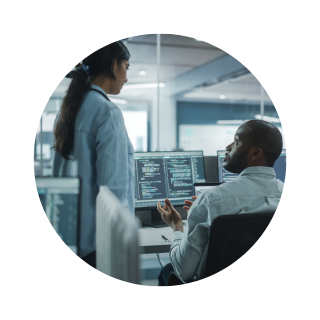
Responsibility of Workplaces Engaging Sociotechnical Practice
Technology has allowed workplaces to expand in massively positive ways. Remote working has allowed people with caring responsibilities, disabilities, or even living rurally to be able to connect with a workplace. This opens more opportunities, a wider talent base and more efficient working in these cases.
Business travel has never been easier, with technology filling the gaps between offices, and making physical travel as seamless as possible, allowing for less burn out and stress on the road. Enhanced wellbeing practices are becoming more popular and easily accessible anywhere on the globe.
Workplace survival skills outside of technology, such as people skills, flexibility, ethical literacy, creativity, kindness, and self-discipline are all as important as ever. Digital skills and instincts can be taught, and must be to ensure valuable individuals feel, and are safe in their online lives. Testing our critical skills and the challenge of keeping up with technology, can be a relished opportunity to build our resilience and advance our own efficiency and human understanding.
SilverDoor’s commitment to digital safety and privacy is integral to our staff providing the highest level of service with transparency. To speak to our staff today, head to our website, or give us a call.