Staying in Shanghai, China
Shanghai is an economic powerhouse located on the east coast of China, at the mouth of the Yangtze River. It has a population of around 25 million people, making it one of the largest cities in the world and one of China's most populous urban centres. Shanghai is a major industrial centre and home to the world's busiest container port and remains one of the most important maritime trade hubs globally. It’s a popular business destination, with key industries being in shipping, trade and finance. If you are planning a business trip to this bustling destination, read on for the ultimate business travel guide to visiting Shanghai.
Shanghai Key Information
Getting to Shanghai

Many business travellers visit Shanghai each year from all over the world. Shanghai is served by two international airports: Shanghai Pudong and Shanghai Hongqiao. Direct flights are available from London which take around twelve hours. To get from the airport to Shanghai city centre you can go by metro, train, shuttle bus or private transfer. All take less than an hour and like most transport methods in Shanghai they are generally very quick and efficient. Shanghai is also home to one of the fastest trains in the world; The Shanghai Maglev. This links Shanghai Pudong international airport and Longyang Road Station with the 30 km journey taking around 7-8 minutes. High speed bullet train also connect shanghai to other key Chinese cities such as Hangzhou, Beijing, and Hong Kong.
Transport and getting around in Shanghai
Shanghai has a modern and efficient rail network and metro system, making getting across the city straightforward.
With over 20 lines covering the city, the metro is a quick and most convenient way to get around. While the Shanghai Public Transportation Card (Jiaotong Yikatong) remains available, many visitors now use mobile payment platforms such as Alipay and WeChat Pay for public transport and everyday purchases.
Metered taxis are also available in the city, but roads can be congested and busy. Walking is a good way to explore Shanghai, particularly in the busy tourist areas. Shanghai is a relatively safe city with low crime rates.
Weather in Shanghai, China

Shanghai has four distinct seasons. Summers (June- August) are hot and humid, with temperatures regularly exceeding 35°C. Winters (December-February) are cold and damp, averaging around 4-7°C, so layers are essential. Spring and autumn offer the most comfortable conditions for business travel and are widely considered the best times to visit. Rain is common year-round, so packing an umbrella is always a good idea!
Currency in Shanghai, China

Yuan ¥ (CNY)
The Yuan is also called the Renminbi (RMB).
SilverDoor Tip:
China is largely a cashless society. Visitors are advised to set up Alipay or WeChat Pay before travelling, as many restaurants, taxis and retailers prefer digital payments.
Data in Shanghai, China

Most international phone plans offer roaming in China, but it's worth checking costs with your provider before travel. Alternatively, a local SIM card can be purchased on arrival from China Mobile, China Unicom, or China Telecom.
Many Western apps, such as Google, Gmail and WhatsApp, are blocked in mainland China, so installing a VPN before you travel is strongly recommended.
Plug shape:
Type I and Type A sockets
Emergency contact numbers:

Police: 110
Fire: 119
Ambulance: 120
Health & Well-being in Shanghai

While Shanghai is renowned for its business opportunities and dynamic atmosphere, it also offers excellent facilities for maintaining health and wellbeing. From world-class healthcare and modern fitness centres to tranquil parks and wellness retreats, business travellers will find plenty of opportunities to stay active, manage stress and maintain a healthy routine during their stay.
Air quality has improved significantly in recent years, although travellers with respiratory conditions may wish to monitor local conditions when planning outdoor activities. Locations such as Century Park, Fuxing Park and Gongqing Forest Park provide welcome escapes from the city's fast pace. Research has shown that access to urban parks contributes positively to physical and mental wellbeing, helping reduce stress and encourage exercise.
The Top Sights in Shanghai
When on a business trip to Shanghai it is worth taking some time to explore and take in the sights and sounds of this eastern gem. Our top five things to see in Shanghai during a business trip are:
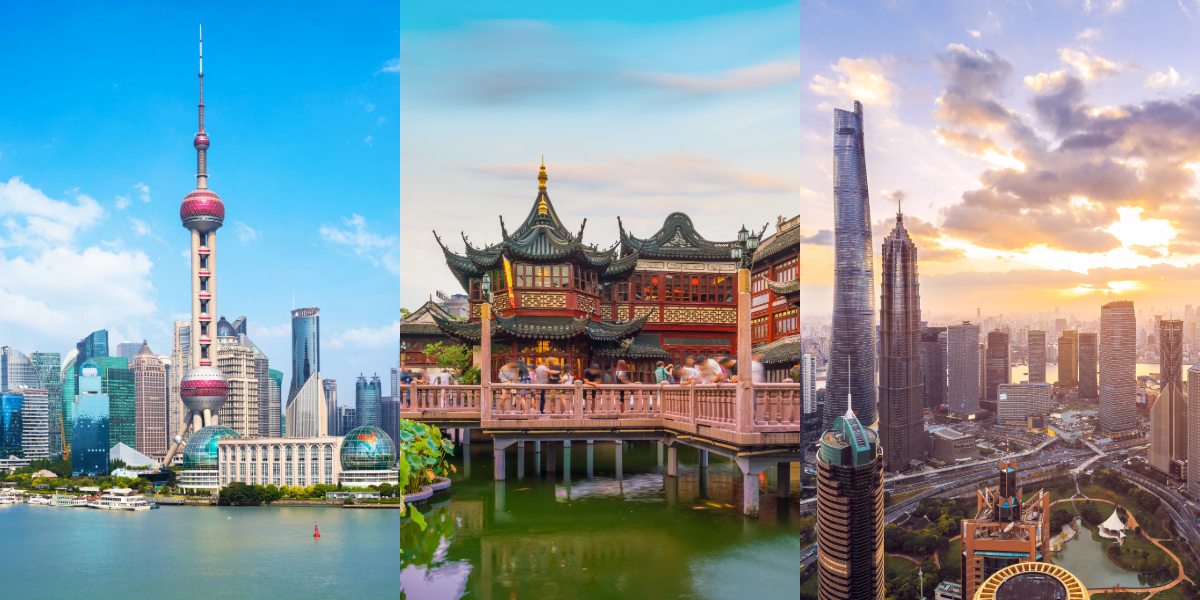
- The Bund is a historic waterfront promenade alongside the Huangpu River. Stroll along the riverfront taking in the colonial architecture, a perfect way to decompress after a busy day of meetings.
- Oriental Pearl Radio & TV Tower – this iconic building is a key sight on the Shanghai skyline. Home to observation decks, a revolving restaurant and the Shanghai History Museum - there is plenty to see.
- For a more tranquil escape, Yu Garden, the 'Garden of Happiness', is a must-visit. It’s the oldest green space in Shanghai and the only surviving Ming Dynasty garden in the city.
- Take in the views from China’s tallest building, the Shanghai Tower. Visitors can enjoy spectacular views from one of the world's tallest buildings via ultra-high-speed elevators.
- Peoples Square and Nanjing Road - once a horse racing course, Peoples Square is now a public space used for gatherings and parades. It is also home to the Shanghai Museum, Shanghai Grand Theatre, and The Shanghai Urban Planning Exhibition Hall. Peoples Square also leads onto one of China’s biggest shopping districts, Nanjing Road.
Cuisine in Shanghai

Shanghai offers a plethora of food and drink establishments, with everything from traditional Chinese street food to impressive fine dining restaurants ideal for business meetings and corporate dining. Shanghai offers a variety of food districts and dining areas, including Wujiang Road and the surrounding Jing'an district.. Here you’ll find a variety of delicious fresh delicacies from street vendors, including the original Yang’s fried dumpling.
Baozi (steamed buns), Xiao Long Bao (soup dumplings), Peking duck, rice balls and fried noodles are all popular dishes in Shanghai and worth trying during your visit. The proximity to the ocean means fresh seafood is also readily available across the city.
If you prefer a sit-down meal, you’ll be spoiled for choice in Shanghai. Whether you are after an authentic Italian pizza or fine French cuisine, this affluent city has something for every taste. Shanghai has some of the best restaurants in China including more than 50 Michelin-starred restaurants and an impressive range of cocktail bars, rooftop venues and international dining options. Take a look at our guide listing some of the best places to eat in Shanghai here.
Shanghai offers a range of food options, here’s a few popular must-try dishes during your corporate stay.
Xiao Long Bao - Delicate soup dumplings are filled with pork and a rich broth.
Baozi - Fluffy steamed buns filled with pork, vegetables or sweet red bean paste.
Peking Duck – Crispy roasted duck served with thin pancakes, spring onion and hoisin sauce.
Language in Shanghai, China

Shanghai’s official language is Mandarin (Putonghua) Chinese. English is also spoken in business settings, however, it’s always handy to know a few key phrases:
Hello- 你好 (Nǐ hǎo)
Goodbye- 再見 (Zàijiàn)
Good morning- 早 (zǎo) / 早上好 (zǎo shàng hǎo)
Thank you- 謝謝 (Xièxiè)
You’re welcome- 不客氣 (Bù kèqì)
Conference venues in Shanghai
Shanghai has a wide range of business venues and conference centres. One of the biggest is the Shanghai New International Expo Centre (SNIEC). This world-class venue has 11 exhibition halls and hosts many large key East-Asian exhibitions which attracts business travellers from all over Asia. There is also the Shanghai Exhibition Center, Shanghai International Conference Center and the Everbright Convention and Exhibition Center which all host regular events, exhibitions and conferences.
Cultural Context

Chinese culture is built on respect, especially shown in business. Here’s a few tips to help business travellers make a strong impression:
- If you have a business meeting or appointment arranged, punctuality is extremely important in Chinese business culture. Being late can be considered inconsiderate and rude.
- Small talk and being polite and friendly (yet formal) is well regarded in Chinese business culture and it is important not to rush clients for decisions.
- In China there is a strong respect for authority and hierarchy is important, particularly in business. For example, you’ll often see the person with the highest level of seniority entering the meeting first followed by the next highest rank.
Accommodation in Shanghai
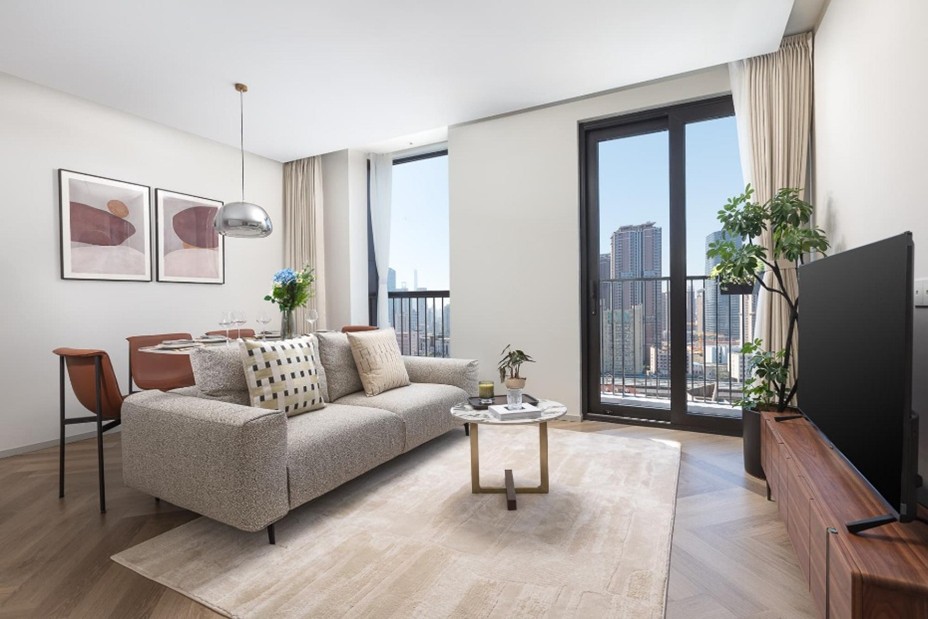
When looking for business accommodation in Shanghai, serviced apartments are an ideal solution. Apartments offer much more space than a hotel room and often have more benefits such as cooking facilities and recreational areas. SilverDoor have a wide range of serviced apartments in central shanghai and can find the perfect one to meet your requirements. If you are travelling with colleagues or family why not book a two-, or three-bedroom apartment so everyone can have their own space. Some of our favourite apartments in Shanghai can be found here.
--------------------------------------------------------------------------
Shanghai is an energetic and exciting city, often seen as the economic powerhouse of China. As one of the leading business cities in the Asia-Pacific region, business travel to Shanghai has grown significantly over the years. SilverDoor has a regional office in Shanghai and a team of on-the-ground experts who can advise and assist with every aspect of your booking, ensuring you find the perfect accommodation for your stay. If you are looking for accommodation in the city, browse our range of serviced apartments in Shanghai, or contact us and our local team will be happy to help