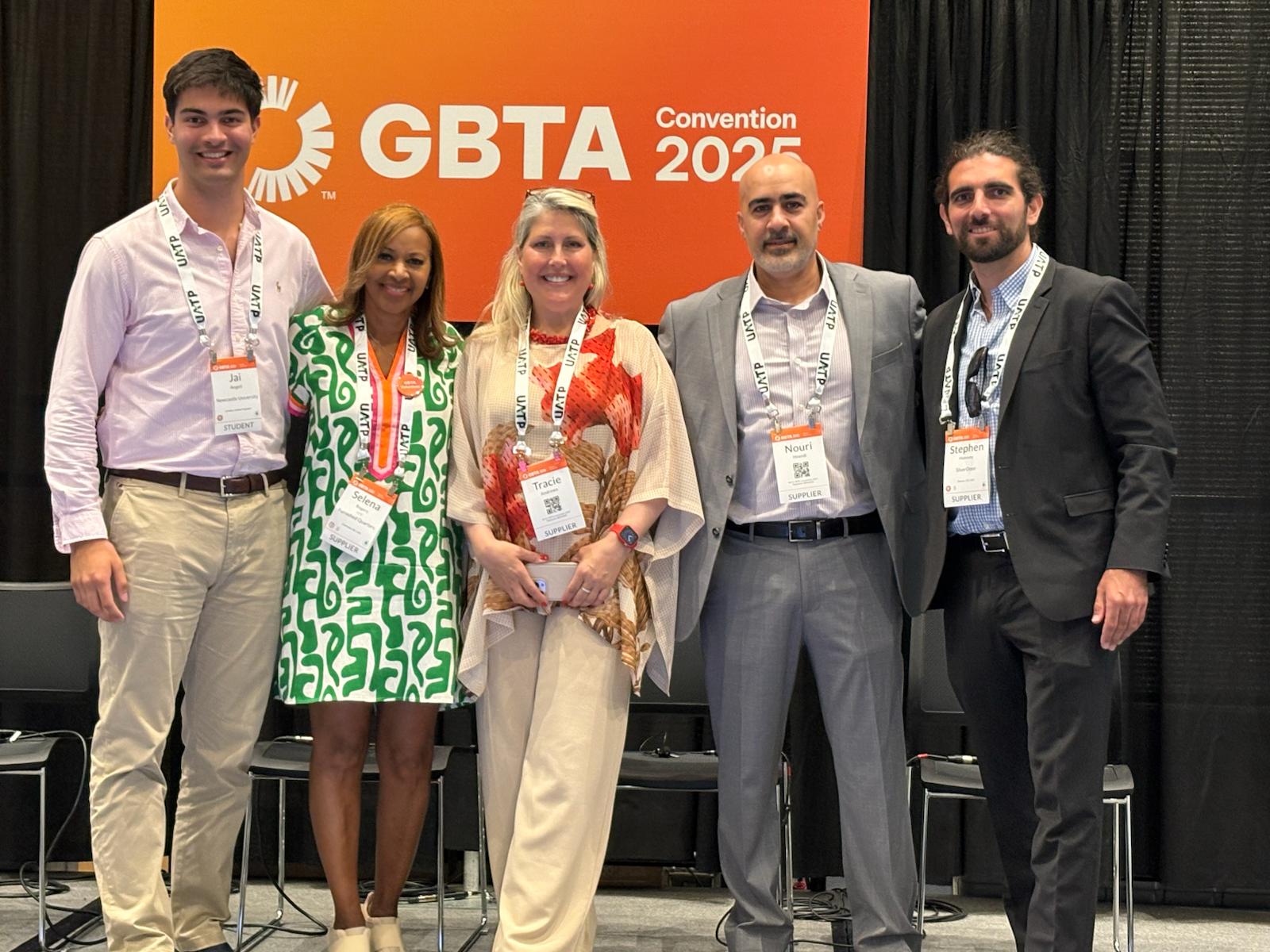
From dynamic pricing powered by AI to travelers willing to spend their own money for comfort, this year’s GBTA Conference in Denver revealed a sector that’s evolving fast - and getting all the more personalized.
With insights from representatives from American Express, Cisco and SAP Concur, here are the biggest takeaways shaping tomorrow’s travel programs, and how serviced apartments are playing a growing role.
__________________________________________________________________________________________________
| 95% of senior managers, executives, and business travelers expect business travel to remain steady or increase
Session: Future Forward
Over 95% of senior managers, executives, and business travellers expect corporate travel to remain steady or increase in the next 12 months, according to a new American Express survey.
“That number was really shocking to me,” said Brian Kelly, Founder of The Points Guy. “There’s so much uncertainty - geopolitically and political, yet confidence in business travel remains strong.”
For Fernando Iraola, EVP & GM, Global and U.S. Large Enterprises at American Express, the value is clear: “We continue to see business travel remain essential- to build trust, strengthen customer relationships, and drive growth.”
With 89% of decision-makers willing to invest in travel infrastructure, especially when tied to strategic outcomes, it’s evident that travel is still seen as a critical business lever.
From the tech side, Cisco’s Carlos Almendros emphasized the cultural value: “There’s definitely a space for in-person because it keeps culture strong… We try to come together at least once a year.”
Whether it's re-engaging after change, pursuing growth, or fostering culture, business travel isn’t going anywhere, it’s simply becoming more purposeful.
__________________________________________________________________________________________________
| 96% of decision-makers now feel confident assisting travelers during crises or emergencies
Session: Future Forward
Duty of care has entered a new era. According to recent research, 96% of decision-makers now feel confident supporting travelers during crises or emergencies driven by pandemic-era investments.
“Real international bridges in assisting travelers have improved through data and technology,” said Fernando. “From real-time alerts to integrated risk systems, duty of care is now proactive, responsive, and essential.”
As risk management evolves, so does corporate travel’s role in safeguarding people while enabling global business.
__________________________________________________________________________________________________
| Delta now prices 3% of tickets using AI, dynamically adjusting prices based on what they know about you
Session: Future Forward
From operational safeguards to personalized pricing, AI is transforming how travel providers engage with customers and how travelers navigate booking. Fernando explained that AI’s role goes beyond automation: “We’ve invested in AI for risk prevention and are expanding into other areas... It’s not just automation - there’s a human energy component customers appreciate.”
On the pricing side, Brian Kelly, Founder of The Points Guy, noted: “Delta now prices 3% of tickets using AI, dynamically adjusting prices based on what they know about you.” While dynamic pricing helps airlines maximize revenue, it raises concerns around transparency and fairness. Travelers may feel penalized simply for behaviours like booking at the last minute.
Kelly also pointed to the rise of consumer-facing AI tools that allow people to reprice flights and manage claims - empowering them to push back against increasingly personalized pricing models.
__________________________________________________________________________________________________
| Dispelling Myths Around Serviced Apartments
Session: Chaos to Clarity
Serviced apartments are often misunderstood, leading to hesitation in their adoption by corporate travelers. Carol Fergus, Director of Global Travel Events and Ground Transportation at Fidelity International, addressed some of the most common myths:
- That larger group bookings always reduce costs – in reality, factors like seasonality, minimum inventory commitments, and vacancy risk can drive prices up.
- That booking serviced apartments is just like booking hotels – when it requires greater collaboration and flexibility, especially for group stays or early requests.
Carol also highlighted that younger travelers are much more open to serviced apartments compared to those used to traditional hotel setups.
__________________________________________________________________________________________________
| Traveler budgets are rising, but so are expectations
Session: What 3,750 Global Business Travelers REALLY Think
Despite 90% of organizations reporting steady or growing travel budgets, a disconnect remains between what’s being spent and how travellers experience it. Misty Duran - Sr. Director, Travel Marketing Strategy at SAP Concur - posed a sharp question:
“When was the last time you asked your travelers how they feel?”
Budgets may be healthy on paper, but many travelers are still feeling the pinch, not in the cost, but in the comfort.
- 84% of travelers spend more on business trips than on personal holidays, often upgrading flights or hotels to offset the strain of being away.
- 85% are willing to pay out of pocket to make business travel more comfortable.
- Meanwhile, 30% say they’re feeling the cuts, and only 38% feel their well-being is truly prioritized.
This is where travel programs have a clear opportunity to evolve. With serviced apartments, companies can offer more comfort, space, and value without pushing budgets over the edge - particularly for frequent travelers, the so-called “road warriors” who account for 80% of business travel spend.
Prioritizing comfort doesn’t mean breaking the bank - it means understanding what matters most to your people and aligning spend accordingly.
__________________________________________________________________________________________________
| Travel programs can’t ignore digital expectations either
Session: Modernizing Business Travel
Millennials may have set the tone, but the truth is: tech expectations are now universal. Whether booking flights or filing expenses, today’s business travelers demand experiences that feel as seamless and smart as what they get from Amazon, Google, or Uber.
Julie Lemons, Business Development Director at Conferma highlighted that:
- 70% of millennials still experience out-of-pocket expense stress, often due to delays in reimbursement or a lack of digital payment options
- 72% of millennials said they prefer to pay with a personal form of payment, because that gave them the freedom to use their digital wallet
- Without adopting tools like digital wallets, travel programs risk leakage, frustration, and loss of control, and AI can alleviate time-draining tasks like answering FAQs, submitting reports, and managing itineraries
But it’s not all about efficiency - it’s about relevance. Understanding different traveler personas is essential for building policies that engage and support everyone, from interns to executives.
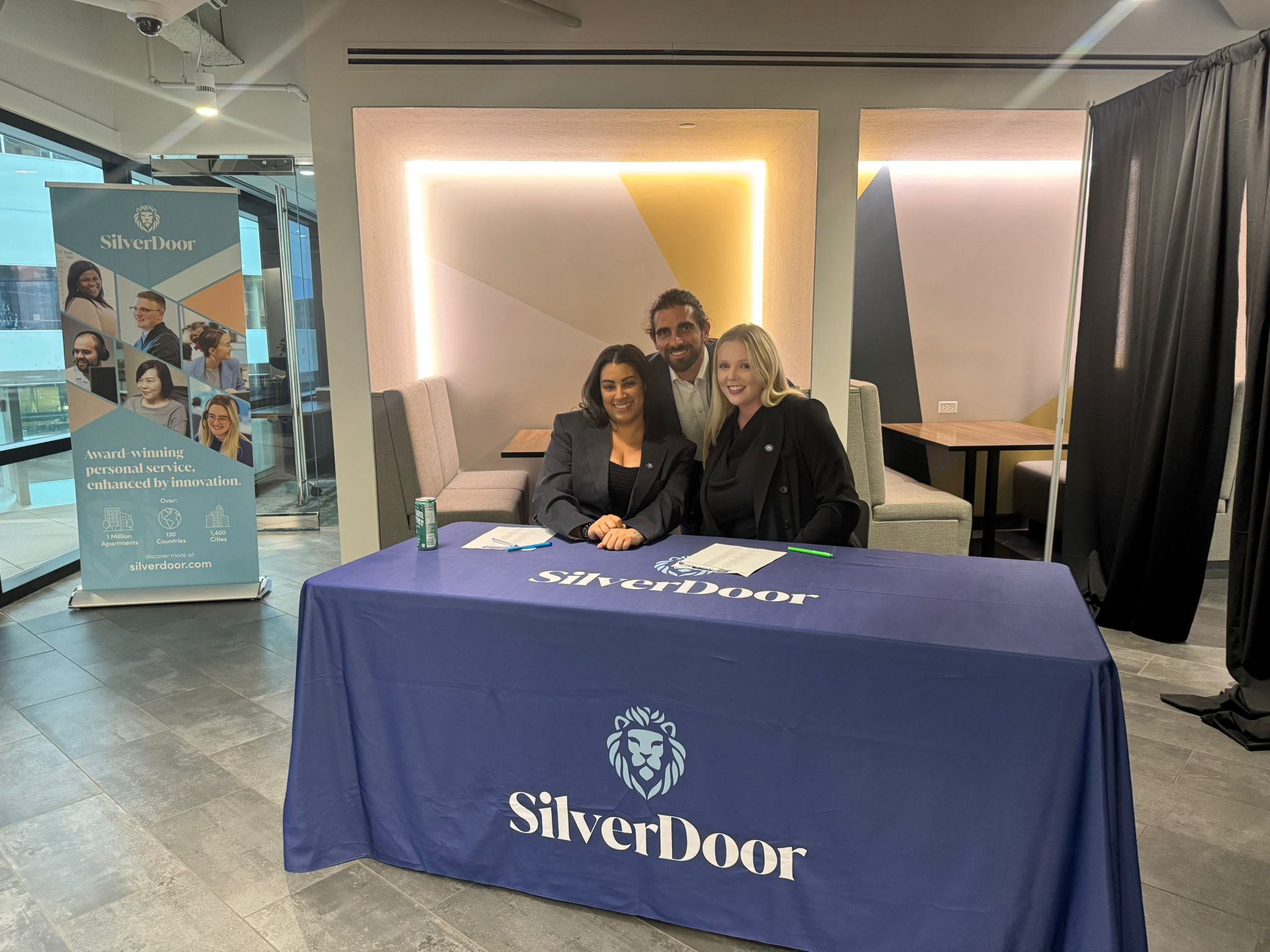
From shifting traveler expectations to rising ethical questions around AI, GBTA Denver proved one thing: business travel is getting smarter, faster, and more human. As global mobility evolves, SilverDoor remains focused on enabling confident, comfortable, and cost-effective travel through strategic partnerships, smart tech, and a deep understanding of what modern travelers really need.