Staying in Copenhagen, Denmark
Denmark’s vibrant capital, Copenhagen, is known for its blend of historic Viking roots and modern Scandinavian minimalism. Situated on the Øresund Strait, it’s a central travel hub between mainland Europe and the Nordic countries. Copenhagen offers unique experiences for travellers, from its idyllic parks to world-class restaurants. Whether you’re heading to Copenhagen for a short or extended stay, this business travel guide will ensure you make the most of your visit.
Visiting Copenhagen, Denmark - Key Information
Weather in Copenhagen

The weather in Copenhagen fluctuates throughout the year, so it's best to check the forecast before your trip.
Spring - The weather becomes milder, averaging between 5 °C and 15 °C. Temperatures will drop in the evening, so wrap up warm.
Summer- Long days and warm temperatures between 18–25 °C. Light clothing works best, but keep an extra layer for air-conditioned offices.
Autumn- Cool, crisp and fairly frequent rainfall - an umbrella is essential.
Winter- Travellers will want to wrap up warm with temperatures averaging 3 °C and the frequent chance of snow!
Currency in Copenhagen

Danish Kroner (DKK)
Although Denmark is part of the EU, it uses its own currency - the Danish Kroner (DKK). Cashless businesses are increasingly popular in Denmark, with less reliance on physical cash.
It’s practical to use banking apps like Monzo or Starling, which offer zero fees on card transactions abroad. All major card options, such as Visa, Mastercard and even American Express, are commonly accepted. Checking if the payment will charge a fee when accepting foreign credit cards is always recommended.
Carrying a small amount of cash can be helpful for local food markets and smaller bakeries, which may not always accept card payments.
Health & Well-being in Copenhagen

Ranked as the happiest city in the world, it’s no surprise that Copenhagen integrates wellness into everyday life. Exercise is an essential aspect of the local lifestyle. Outside the city centre, Copenhagen’s scenic ‘The Lakes’ (Søerne) has a perfect 6.4km flat loop, which is perfect for jogging or cycling. Kastellet park is another popular jogging spot, and its unique star-shaped layout makes a great Strava route! If you prefer to cycle, Donkey Republic bikes are popular for their ‘unlock and ride’ rentals throughout the city.
Had a stressful workday? Locals often unwind with a cold dip in the harbour, followed by the contrast of a sauna afterwards.
Data in Copenhagen

Most phone providers offer international roaming options, but at an extra fee. Prepaid SIM cards from LycaMobile and Lebara are available to buy for travellers at local convenience stores. Wi-Fi is easily accessible across the city, with restaurants and public spaces offering free connection. Always be cautious when checking whether it is a secure network.
Plug Type: Type E and K
Emergency Contact Numbers in City

If you require emergency services in Copenhagen, the number to call is 112.
For urgent, but not life-threatening, medical emergencies, call 1813. Non-Danish mobile phones may require using Denmark’s country code +45 before dialling.
Cuisine in Copenhagen

Copenhagen offers a diverse culinary experience, from Michelin-starred restaurants to vibrant food markets. Whether dining in or grabbing a quick bite, here’s a list of must-try Danish dishes during your trip.
Smørrebrød- Traditional Danish open-top sandwiches served on rye bread. Topped with ingredients like pickled herring, roast beef, or crispy fried fish.
Danish hot dogs (Rød Pølse)- Classic red sausages topped with crispy fried onions, thinly sliced pickled cucumbers and a squeeze of Ketchup and mustard.
Rødgrød med fløde- A sweet, tangy berry pudding served with cream.
Speaking the Language in Copenhagen, Denmark

Copenhagen adopts the national language of Danish. Here are a few key phrases to use when out and about-
Hi – Hej
Bye- Hej Hej
Thank you- Tak
Yes/ No- Ja/ Nej
You’re welcome- Det Var så lidt
See you soon- Vi ses
Cheers- Skåi
Can I have the bill, please? - Må jeg få regningen, tak?
How much does it cost? - hvad koster det?
Transport in City - Getting Around Copenhagen, Denmark

Cycling is the most common mode of transport, with 9 out of 10 residents owning a bike. The metro is a fast and convenient alternative if you would rather use public transport for commuting. Its four lines offer simplicity for visitors and operate to 44 stations. You can purchase tickets for certain zones at stations or using the DOT Tickets app.
Districts in Copenhagen
Copenhagen is made up of 10 districts. We have broken down a few of the most central areas that you may visit:
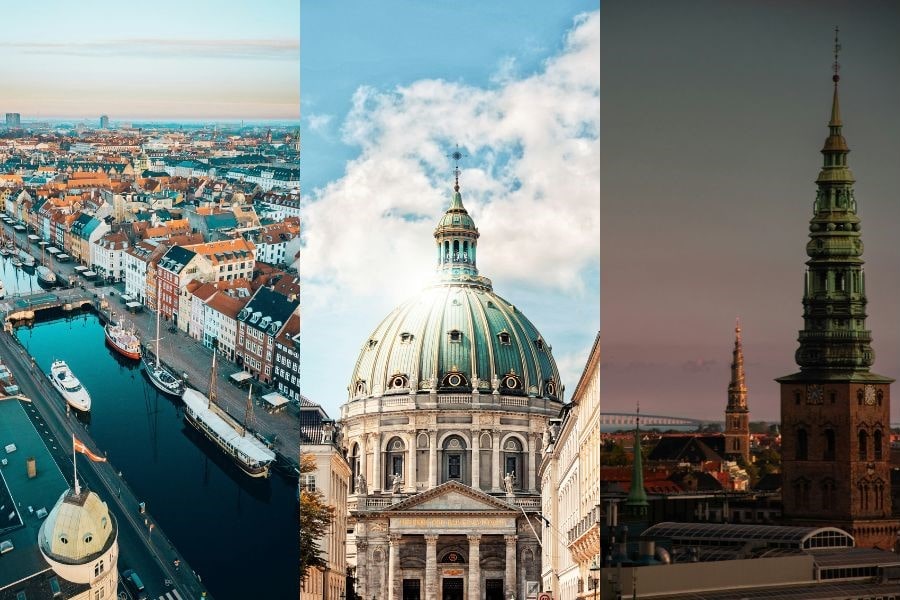
Indre By- Copenhagen’s city centre is split across Zealand and Amager. Location of many offices and networking venues. Many cultural and historic landmarks include Nyhavn’s world famous colourful harbour and Rosenborg Castle.
Christianshavn- Across the Inner Harbour Bridge (Inderhavnsbroen) from Indre By. Home to Tivoli Gardens, one of the oldest amusement parks in the world.
Vesterbro/Kongens Enghave- Vibrant and trendy district on the edge of Copenhagen’s city centre.
Copenhagen Map
Now you should feel familiar with Copenhagen and ready to make the most out of your corporate stay. If you are looking for accommodation in the city, you can browse our range of serviced apartments in Copenhagen. If you have any questions or specific requests, feel free to contact us.